Merchandising techniques to boost visibility and in-store sales
In an increasingly competitive business environment, merchandising has become a strategic lever to capture customer attention and trigger purchase. Shelf merchandising helps to structure the offer, guide the eye and improve the in-store experience.
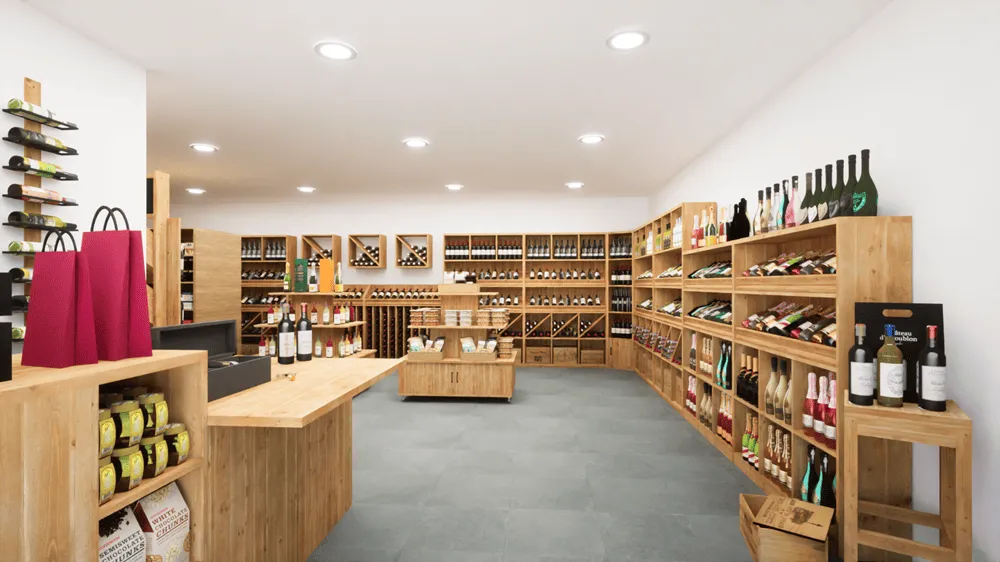
For professionals, especially specialized traders, wine merchants, delicatessens or independent shops, the layout and furniture play a central role in the performance of the shelf and the valuation of products.
1. Optimize the assortment to meet customer expectations
Effective shelf merchandising starts with a coherent assortment adapted to the target clientele. It is essential to propose a clear, readable and sufficiently broad offer to meet expectations without creating confusion. An overly dense assortment hinders understanding, while a too small offer can limit sales. The analysis of purchasing behaviors and product performances allows for refining choices and structuring the section in a relevant way.
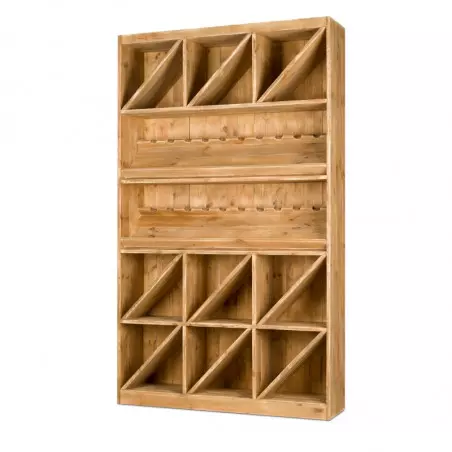
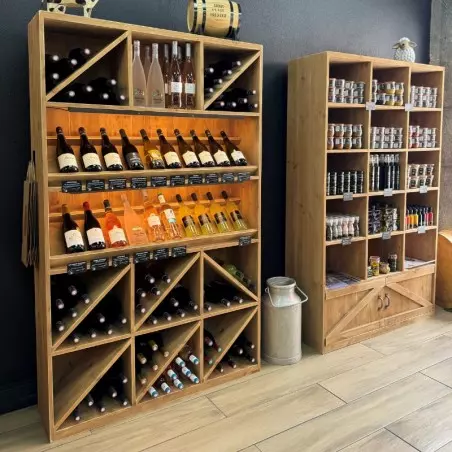
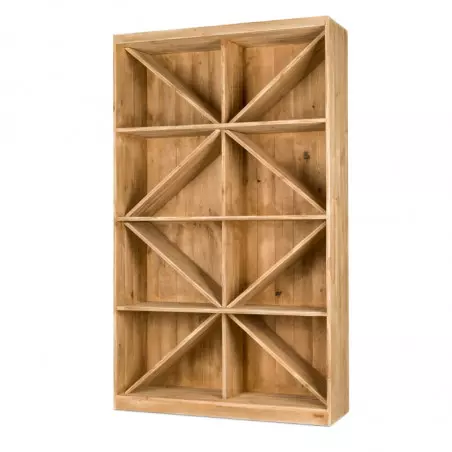
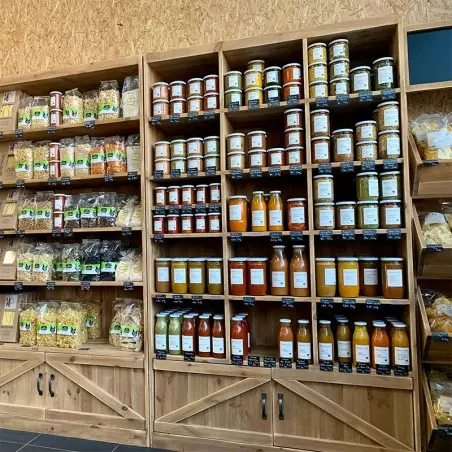
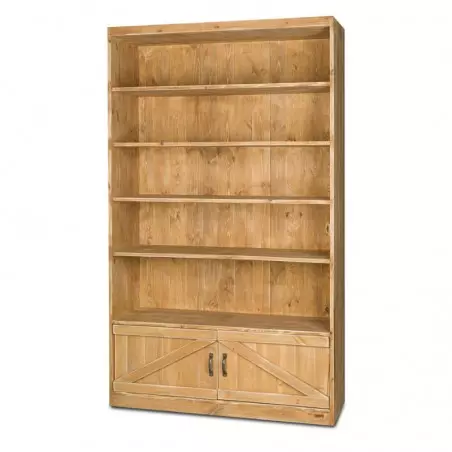
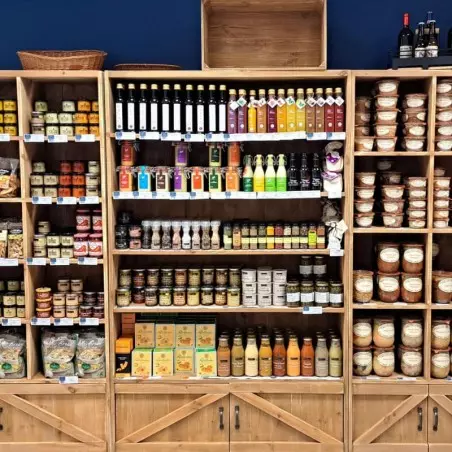
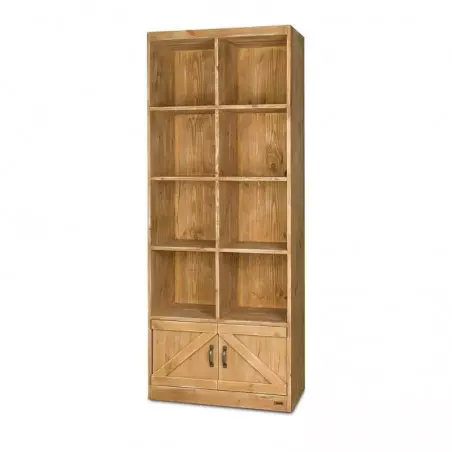
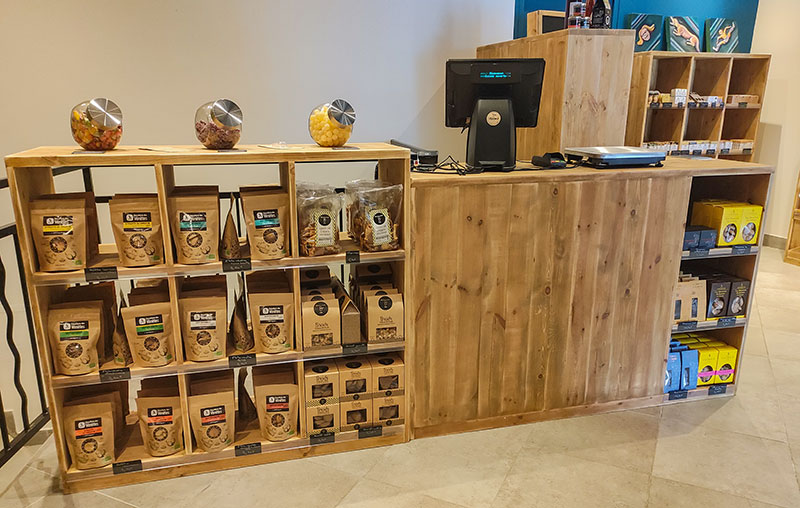
References with high added value or fast rotation must be highlighted through suitable furniture, such as solid and aesthetic solid wood shelves, capable of supporting a neat and durable presentation.
2. Position the products in the most strategic areas
Product positioning is a key factor in merchandising, as not all locations have the same sales potential. Eye level areas are naturally more visible and should accommodate priority products. Shelf merchandising relies on this visibility logic to guide the customer’s gaze and maximize commercial impact.
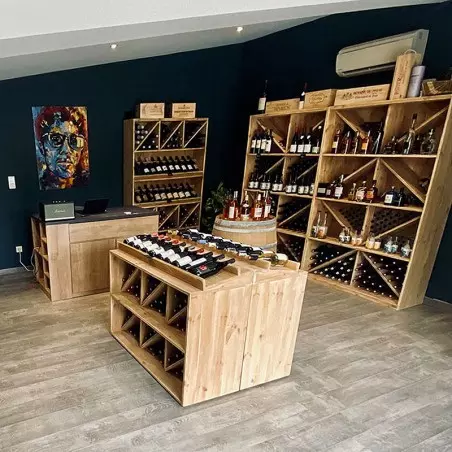
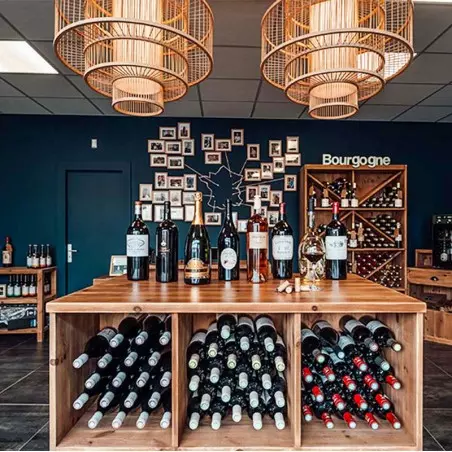
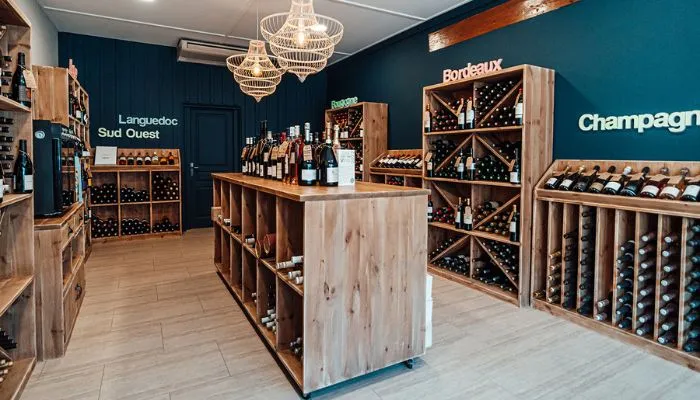
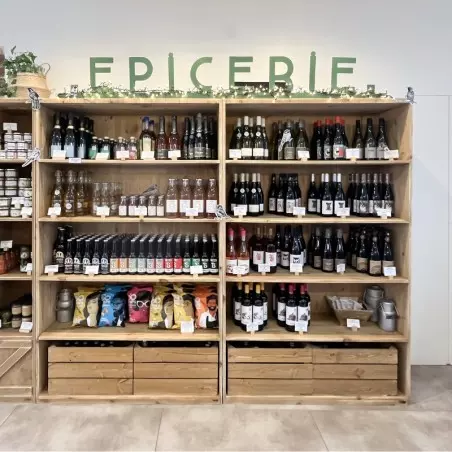
Well-designed furniture helps to structure these strategic areas and ensure visual consistency throughout the store. The shelves, presentation tables and solid wood displays offer excellent readability and reinforce the brand’s qualitative image, while effectively supporting the level of merchandising presentation.
3. Exploit the rule of thirds and the hot/cold zones of the ray
The rule of thirds is widely used in shelf merchandising to organize the space in a balanced way. It consists of dividing the shelf into three horizontal levels, each having a specific role in the presentation of products.
The warm areas, naturally more frequented, must accommodate high-margin products or new releases, while cold areas can be energized by a more attractive presentation.
4. Organize the shelf and aisles to facilitate the customer journey
A successful merchandising department relies on a fluid and intuitive customer journey. Aisles must be wide enough, products accessible and signage clear. A logical organization of the shelf allows the customer to easily locate, compare products and move around without constraint. The merchandising department then becomes a tool at the service of comfort and commercial efficiency.
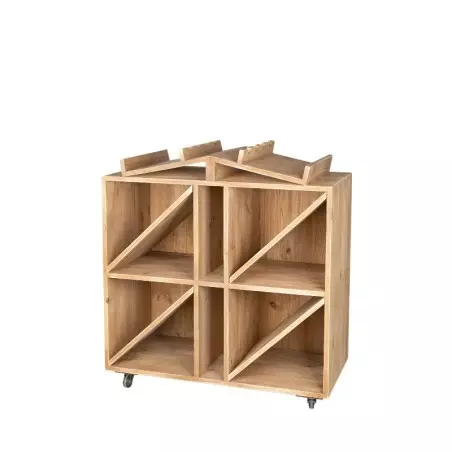
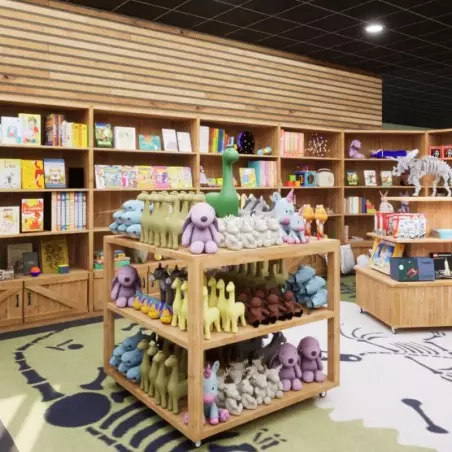
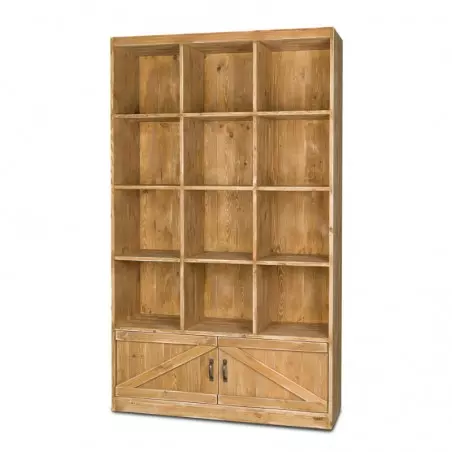
The choice of furniture is essential to structure this space. Store shelves, central tables and solid wood dividers allow the shelf to be organized without clutter, while maintaining an excellent level of merchandising presentation adapted to the requirements of professionals.
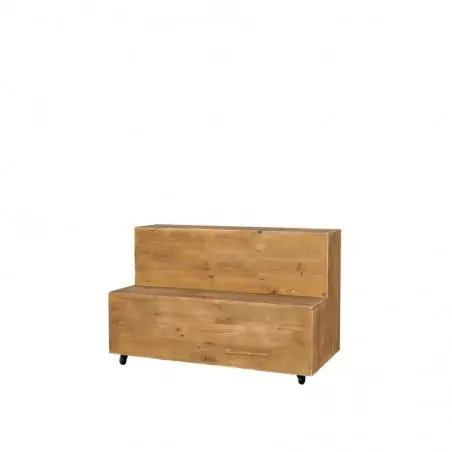
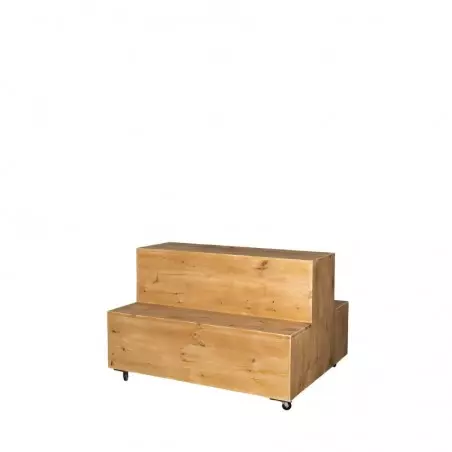
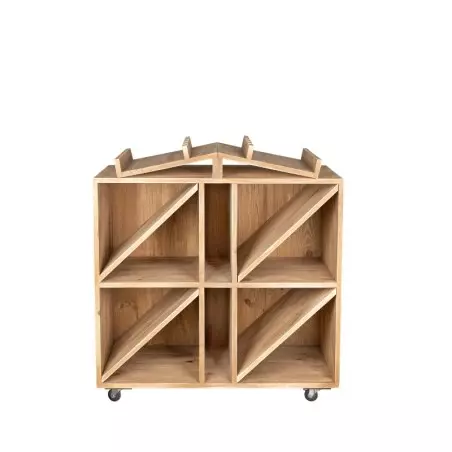
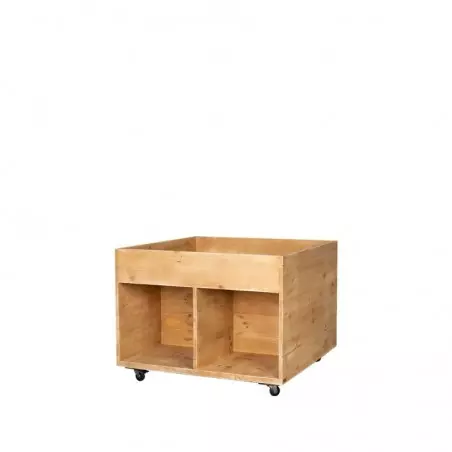
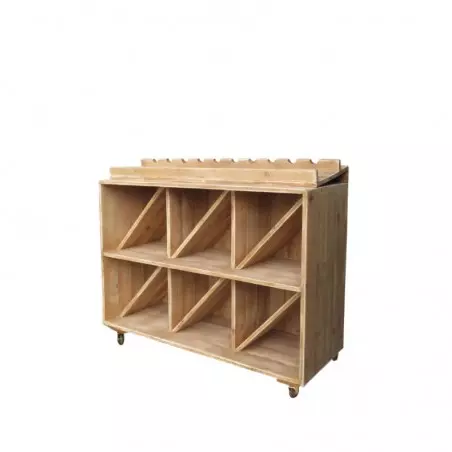
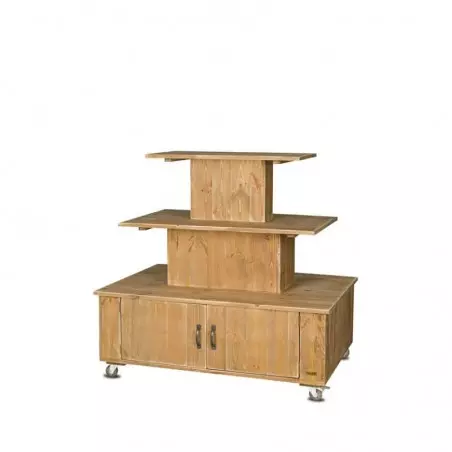
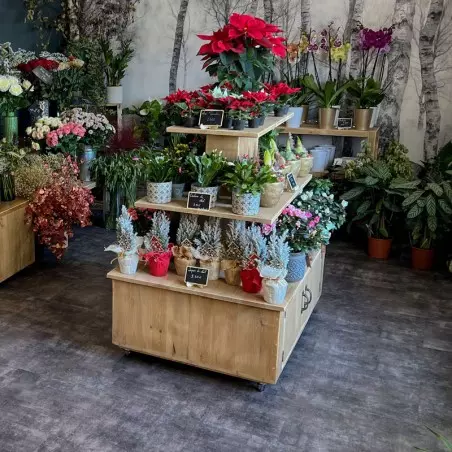
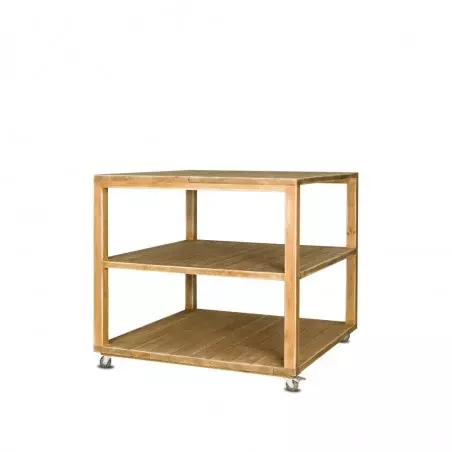
Florist display stand on wheels, 2 levels, solid wood
Stay informed about our offers and professional advice
5. Use facing and presentation to increase visibility
Facing is an essential technique in shelf merchandising. It consists of presenting the products in a frontal manner, perfectly aligned and always visible. A careful facing reinforces the perception of quality and gives an impression of a well-kept shelf, which positively influences the purchase decision.
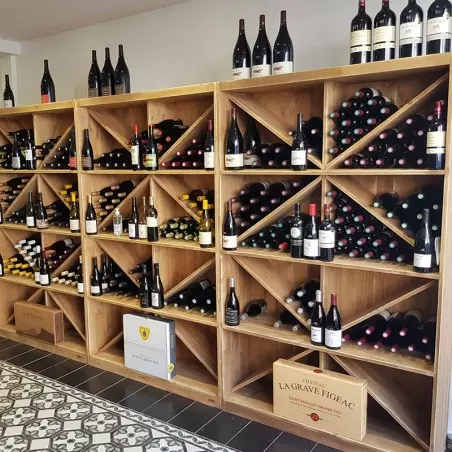
Robust and stable furniture makes it easier to maintain the facing and limits the disorders related to the handling of products by customers. Solid wood is particularly appreciated for its resistance and aesthetics, contributing to a durable and rewarding presentation.
6. Introduce new products with a thoughtful launch
The launch of new products is a strategic step in shelf merchandising. A poorly integrated novelty can go unnoticed, while a thoughtful staging attracts attention and arouses curiosity. It is important to provide dedicated spaces for these launches, in order to create a discovery effect and encourage testing.
7. Staging the products through theatricalization
Theatricalization is an advanced merchandising technique that involves telling a story about products. It creates an immersive and emotional atmosphere, promoting customer engagement.
This approach is particularly effective for specialized businesses, where in-store experience is a differentiating factor. The merchandising department then becomes a real visual communication tool.
8. Rely on digital tools to manage and adjust merchandising
Digital tools today complement shelf merchandising strategies by offering better performance analysis. Sales data, turnover rates and customer behaviors allow for continuous layout and presentation adjustments. The merchandising department thus becomes scalable and perfectly aligned with market expectations.
Modular, robust and aesthetically pleasing furniture makes it easy to change locations without compromising the store’s image. By combining digital data and professional solid wood furniture, retailers have all the levers to sustainably optimize the performance of their shelves.
As Managing Director of Tradis, she leads the company's development and shares her expertise in solid wood furniture through advice and content for professionals.
 Shelves



_1.webp)



_1.webp)

_11zon.webp)
.webp)