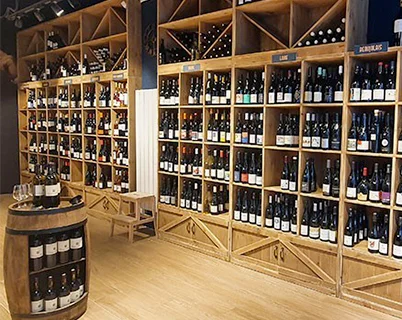
Red wine is a product whose quality evolves over time. That’s why once opened, it is exposed to oxygen and begins to degrade. Yet, with the right conservation techniques, it is possible to extend its tasting.
In this article, we explain how to optimize the conservation of red wine and avoid waste.
First of all, it is important to know that the shelf life of white wine will be different from red wine. Indeed, the conservation of red wine after opening is essential to preserve its aromas, structure and balance. A poorly preserved red wine leads to rapid oxidation which modifies the taste of the wine and gives it acid and dull notes. Indeed, as soon as a bottle is opened, it comes into contact with the air and activates chemical reactions that gradually alter its qualities.
A poorly preserved wine can lose all its flavours in just a few hours, especially if it is directly exposed to heat or light.
For wine professionals, wine merchants, restaurateurs or managers of delicatessens, properly storing open red wine is essential to offer an optimal tasting experience to customers and avoid waste.
The factors influencing conservation
The preservation of red wine after opening depends on several elements. First of all, the alcohol content and the tannins play a key role. Indeed, wines rich in alcohol and tannins, such as a Bordeaux or a Cabernet Sauvignon, are better preserved than lighter wines like a Pinot Noir.
Exposure to oxygen is also decisive, because the more the bottle is empty, the faster the oxidation of the wine is due to the air contained. The storage temperature is also another factor to take into account: a too high temperature alters the aromas, while a too cold environment attenuates the flavors of the wine.
Finally, the type of closure used influences the shelf life of red wine. A hermetic stopper or a vacuum pump limits contact with oxygen, while a simple cork stopper put back in place is not always enough to preserve the wine effectively.
Shelf life of open red wine
Conservation of open red wine: what to know?
An open bottle of red wine can be consumed in the days following the opening if it is well preserved. On average, it takes 1 to 3 days for a light wine, 3 to 5 days for a more tannic wine and up to a week for some well-protected wines.
Red wine opened for 1 month: is it still drinkable?
After a month, an open red wine is generally no longer good to drink. Oxidation has transformed it, giving it a brownish color and an acidic taste reminiscent of vinegar.
However, a red wine that has been open for one month remains an excellent ingredient in cooking. It can enhance the flavor of sauces, but also marinades or simmered dishes, where its acidity and altered aromas bring character to recipes.
Shelf life according to the type of red wine
The shelf life of red wine once opened varies depending on its type and structure.
Light wines, such as Gamay, Pinot Noir or Beaujolais, are more fragile and can be kept for 1 to 3 days before losing their aromas. More structured wines, such as Bordeaux, Syrah or Malbec, resist oxidation a little better and can be consumed up to 5 days after opening.
Powerful wines rich in tannins, such as Cabernet Sauvignon or Barolo, have better stability and can be kept for up to a week under good conditions. On the other hand, natural wines, without added sulfites, are particularly sensitive to oxygen and keep for less time, often only 1 to 2 days.
Stay informed about our offers and professional advice
Conservation techniques after opening
How to store open red wine?
Here are the best practices for keeping a red wine open:
Replace the cap immediately after each service to limit oxidation.
Store the bottle upright to minimize surface contact with air.
Place the bottle in a cool place, ideally between 12 and 15°C. A refrigerator can be a temporary solution.
Use a vacuum pump to extract air and slow down oxidation.
Opt for an inert gas (argon, nitrogen) to protect the wine from oxygen.
Methods to slow down oxidation
Hermetic or vacuum closure: these accessories extend the shelf life of red wine.
Glass beads or stainless steel balls: they reduce the air space in the bottle.
Storage under controlled atmosphere (Coravin): ideal technology for professionals who want to offer wines by the glass without altering them.
?To remember:
To properly preserve an open red wine, limit its contact with air, store it at a stable temperature and cap it immediately after each service. Light wines are consumed quickly, while tannic wines can be kept for several days. Adapting the conservation according to the type of wine allows preserving aromas and quality for optimal tasting.
Storage of red wine: recommended practices
To optimize the conservation of open red wine, it is essential to store it under appropriate conditions. The temperature must remain constant, ideally between 12 and 15°C, because sudden variations accelerate oxidation and degrade aromas. A dark environment is also recommended, since sunlight alters the structure of the wine and accelerates its aging. Humidity also plays a key role, a rate between 50 and 70% is ideal to preserve the cork stoppers and prevent them from drying out.
A common mistake is to leave the red wine open at room temperature for too long. Above 18°C, oxidation accelerates and rapidly alters its aromas. It is best to store it in a cool place and away from light.
Replacing the cork of a bottle with a dirty or damaged cork can also affect the preservation of red wine. Cork may contain impurities that alter the wine. A hermetic stopper or vacuum pump is a better option.
Finally, not all red wines are preserved in the same way. The lighter ones, such as Pinot Noir, deteriorate faster than tannic wines like Bordeaux. That is why it is necessary to adapt the conservation of red wine according to its type to preserve all its qualities.
As Managing Director of Tradis, she leads the company's development and shares her expertise in solid wood furniture through advice and content for professionals.
Join over 2500 merchants who trust Tradis
Stay informed about our offers and professional advice
Pourquoi bien choisir son équipement restaurant est crucial ?
Créer une expérience client mémorable
La réussite d’un restaurant repose sur une alchimie entre la qualité des plats et l’ambiance de la salle. Le mobilier, les assises, l’éclairage et la décoration façonnent une identité unique. En incluant dans votre liste de matériel pour ouvrir un restaurant des éléments robustes et esthétiques, vous transformez chaque repas en expérience mémorable.
Une table mal adaptée ou une chaise inconfortable peut faire perdre des clients, tandis que des meubles restaurant chaleureux et bien pensés incitent à revenir.
Optimiser l’efficacité et le confort du personnel
Un personnel performant est un personnel bien équipé. La circulation en salle, la rapidité du service, la fluidité dans la cuisine : tout dépend de la qualité de l’agencement et du matériel choisi.
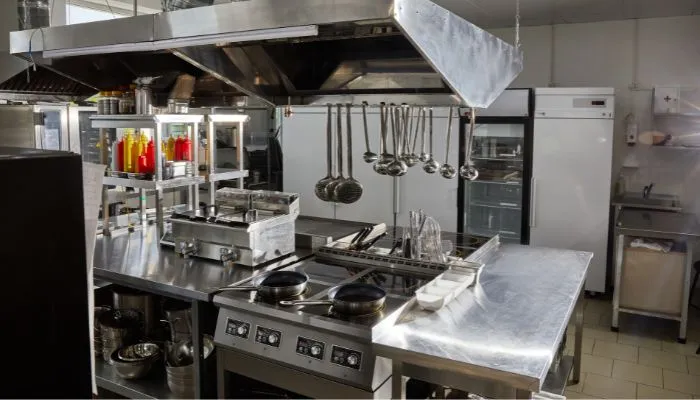
Des fourneaux adaptés, une ventilation efficace et des robots multifonctions permettent de réduire la fatigue et d’augmenter la productivité. Intégrer ces éléments dans la liste de matériel pour ouvrir un restaurant garantit un environnement de travail efficace.
Assurer durabilité et retour sur investissement
Un équipement professionnel représente un investissement conséquent. Le choix de matériaux solides, comme le bois massif pour le mobilier ou l’inox pour la cuisine, permet de garantir une utilisation durable.
Une liste de matériel pour ouvrir un restaurant bien pensée évite des achats répétitifs et vous assure un retour sur investissement à long terme. Miser sur la qualité est une stratégie gagnante.
Mobilier de salle et de terrasse
Tables : dimensions, matériaux et design
Tables de salle : capacité et agencement
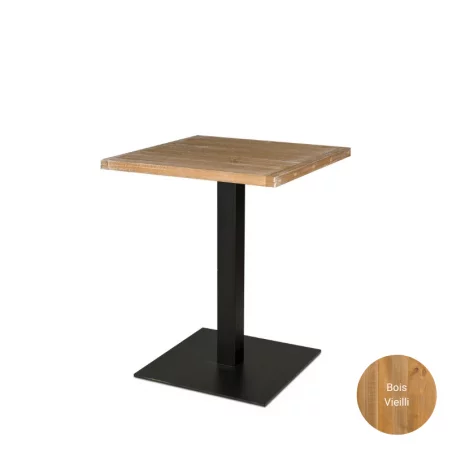
Les tables de restaurant déterminent la capacité d’accueil de votre restaurant. Dans une liste de matériel pour ouvrir un restaurant, elles figurent parmi les premières priorités. Selon votre concept, vous pouvez privilégier de petites tables modulables ou de grandes tables conviviales. Bien penser l’agencement est crucial pour optimiser la circulation et créer une atmosphère agréable.
Tables de terrasse : robustesse et praticité
En terrasse, le mobilier est soumis aux intempéries. Il doit donc être à la fois esthétique et résistant. Les modèles empilables ou pliants facilitent le stockage et l’entretien, tout en garantissant confort et stabilité pour les clients.
Rejoignez + de 2500 commerçants qui font confiance à Tradis
Restez informés de nos offres et conseils professionnels
Chaises et banquettes : confort et style
Chaises empilables, fauteuils et modèles premium
Les chaises sont souvent le premier critère de confort évoqué par les clients. Choisir des modèles empilables pour la praticité, ou des fauteuils plus haut de gamme pour un positionnement premium, dépend de votre stratégie.
Banquettes modulables pour délimiter les espaces
Les banquettes permettent de structurer la salle et d’offrir un confort supplémentaire. Modulables, elles s’adaptent aux besoins de l’établissement, délimitent les espaces et optimisent l’agencement intérieur.
Accessoires et décoration de salle
Linge de table, éclairage et décoration murale
Le linge de table, la lumière et la décoration murale complètent l’ambiance. Ces éléments, souvent négligés, sont pourtant essentiels pour créer une atmosphère cohérente et immersive.
Optimisation de l’ambiance selon le concept du restaurant
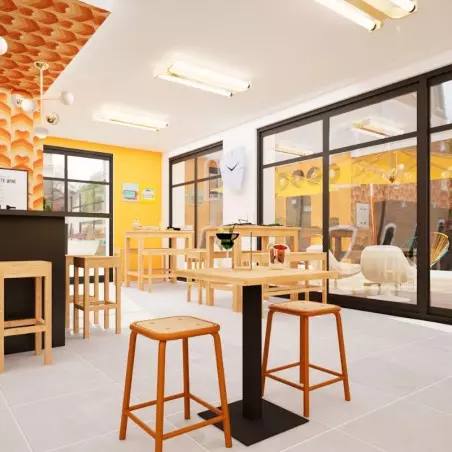
Qu’il s’agisse d’un bistrot convivial, d’une brasserie chic ou d’un restaurant gastronomique, l’ambiance doit correspondre à votre concept. Les éléments de votre liste de matériel pour ouvrir un restaurant (le mobilier, les accessoires et la décoration) doivent raconter une histoire cohérente.
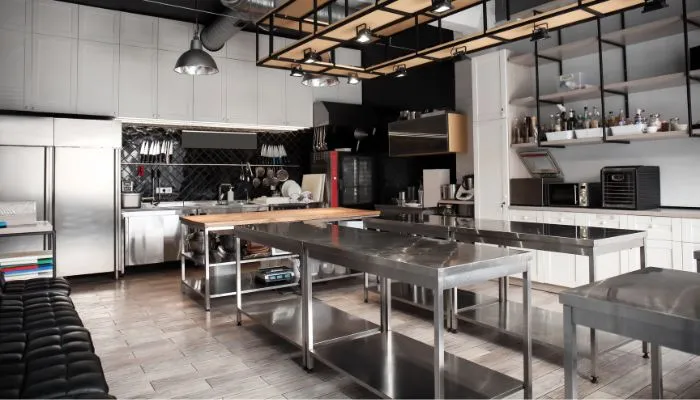
Types de fours : convection, mixte, pizza, convoyeur
Le four est l’équipement central de toute cuisine professionnelle. Choisir entre un four à convection, un four mixte, un four à pizza ou un four à convoyeur dépend de la spécialité culinaire de votre restaurant.
Fourneaux gaz ou électriques : avantages et contraintes
Le gaz offre une réactivité immédiate, tandis que l’électrique permet une cuisson plus homogène et précise. Le choix repose sur les contraintes techniques et les préférences de votre chef.
Ventilation : débit, pression, performance énergétique et bruit
Un système de ventilation adapté garantit un air sain, limite les odeurs et améliore les conditions de travail. C’est un élément incontournable de la liste de matériel pour ouvrir un restaurant.
Robots et matériels polyvalents
Robots à cuve, coupe-légumes, cutters et blixers
Ces équipements sont indispensables pour gagner du temps dans la préparation. Ils assurent une qualité constante et facilitent le travail en cuisine.
Mixeurs plongeants, batteurs-mélangeurs et éplucheuses
Pratiques et rapides, ces matériels polyvalents permettent de gérer efficacement un grand volume de préparations.
Petits matériels : trancheurs, micro-ondes, machines à glaçons
Les petits équipements complètent la cuisine et optimisent les opérations quotidiennes. Leur rôle, bien que secondaire, est essentiel pour un service fluide.
Conservation et organisation
Réfrigérateurs, congélateurs et chambres froides
La conservation des denrées alimentaires est soumise à des normes strictes. Réfrigérateurs et chambres froides garantissent sécurité et respect des réglementations.
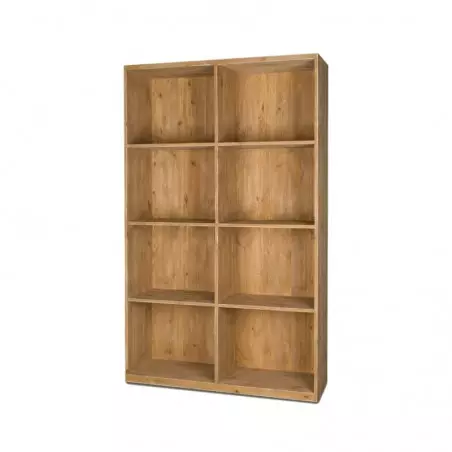
Rayonnages, étagères et conteneurs de stockage
Un espace de stockage bien organisé optimise la productivité. Les rayonnages et conteneurs permettent de maintenir un ordre impeccable et une hygiène irréprochable.
Ustensiles, vaisselle et accessoires de table
Casseroles, poêles, couteaux et batteries de cuisine
Une cuisine professionnelle ne peut fonctionner sans une batterie complète d’ustensiles. Leur qualité impacte directement la qualité des plats servis.
Vaisselle, couverts et verrerie adaptés au service
Le choix de la vaisselle et de la verrerie doit être cohérent avec votre positionnement. Élégance et praticité doivent aller de pair.
Conteneurs, bacs et méthodes de conservation hygiéniques
Respecter les normes sanitaires passe par l’utilisation de bacs et conteneurs adaptés, garantissant hygiène et sécurité alimentaire.
Conseils pour choisir mobilier et matériel adaptés
Bien composer sa liste de matériel pour ouvrir un restaurant nécessite une réflexion stratégique. La qualité doit primer sur la quantité, l’ergonomie doit guider chaque choix, et l’esthétique doit être cohérente avec votre identité. Ne négligez pas l’évolution future de votre activité : prévoir des équipements modulables ou extensibles vous évitera des coûts supplémentaires à moyen terme.
Intégrer le mobilier et le matériel dans votre stratégie opérationnelle
Le mobilier et le matériel ne sont pas de simples outils. Ils participent à l’image de votre marque, à la satisfaction client et à la productivité de vos équipes. Intégrer votre liste de matériel pour ouvrir un restaurant dans une stratégie globale vous permettra de transformer chaque investissement en levier de croissance.
Lorem ipsum dolor sit amet, consectetur adipiscing elit. Ut elit tellus, luctus nec ullamcorper mattis, pulvinar dapibus leo.
Tiffany Sarrazin
Directrice générale de Tradis, elle pilote le développement de l’entreprise et partage son expertise en mobilier en bois massif à travers des conseils et contenus pour les professionnels.
 Shelves
.webp)
.webp)