What business to open in a village: ideas and advice
Looking for which business to open in a village and you don’t know where to start? The question is legitimate: between the size of the customer pool, surface constraints and the specific needs of a rural population, a project in a rural area requires different thinking from that of an urban project.
But the opportunities are very real for project leaders who take the time to analyze their territory before starting.
Why opening a business in a village can be a real opportunity
Meeting concrete needs in a local market
Villages often suffer from progressive commercial desertification. Convenience stores closed, bakeries disappeared, daily services absent... This reality is a constraint for the inhabitants, but an opportunity for the merchant who knows how to identify unmet needs. A useful business, which responds to real local demand, immediately benefits from a captive clientele and loyalty that is difficult to obtain in an urban environment.
Create a useful, visible business that is rooted in local life
In a village, the shopkeeper is much more than a salesman. He is an actor in local life, a point of reference, sometimes the only place where people live. This relational dimension is a competitive advantage that supermarkets cannot replicate. A business well anchored in its territory attracts regular customers, benefits from word of mouth and creates lasting links with associations, the town hall and residents.
?To remember:
The commercial desertification of villages is a real opportunity for well-prepared project leaders.
A useful and well-anchored business in local life benefits from customer loyalty that few urban businesses can achieve.
Before choosing an idea, understand the real needs of the village
Observe the habits of the inhabitants and the services that are missing
Before deciding which business to open in a village, spend some time there. Observe the movements of residents, billboards, local groups on social networks and discussions in town hall. Which services are the subject of recurring complaints? Where are the locals forced to take their cars to find what they need? These observations are better than any abstract market study.
Identify the businesses already present and the expectations not covered
A village with a bakery but no grocery store does not have the same needs as a village without any food trade. Map the existing supply within a radius of 10 to 15 km and identify blind spots. This analysis work will allow you to position your project where it is really expected, rather than setting up in direct competition with a business already well established.
Take into account the passage, seasonality, and local life
The potential of a village varies considerably according to its geographical location. A village on a busy road axis, near a lake, a ski resort or a tourist site offers very different opportunities from an enclosed hamlet. Seasonality can be an asset (high summer traffic) or a constraint (reduced clientele in winter). Anticipate these cycles in your business plan before committing.
?To remember:
Field observation is the most valuable step before choosing which type of business to open in a village.
The seasonality and geography of the territory directly affect the viability of your project.
15 business ideas to open in a village to find inspiration
Wondering which business to open in a village without starting from local needs is taking the risk of setting up shop where no one is waiting for you. Here are 15 ideas that are particularly suited to rural areas, classified according to the most common territory profiles.
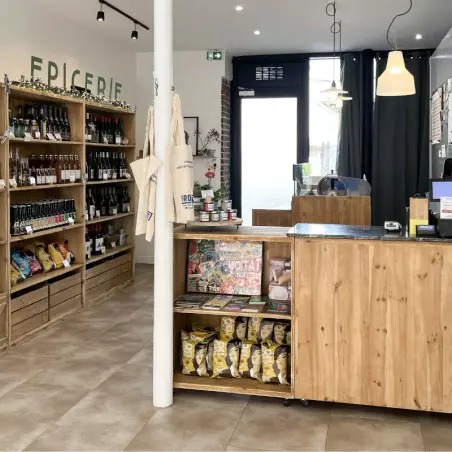
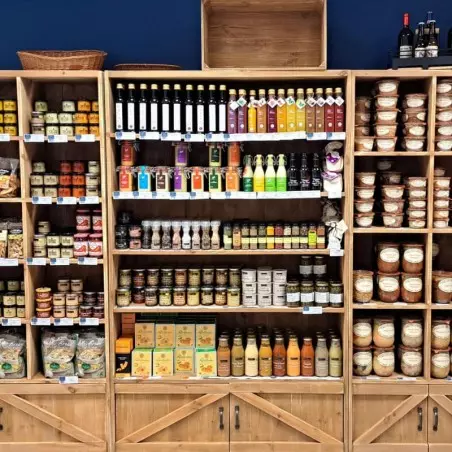
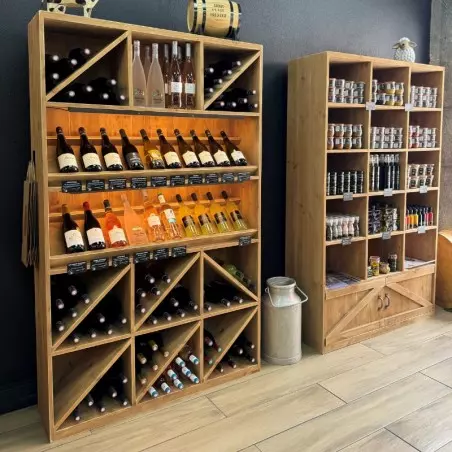
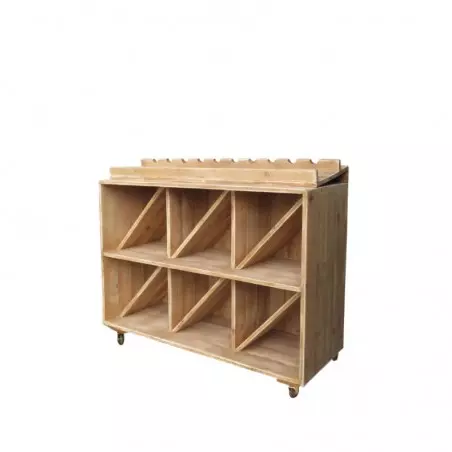
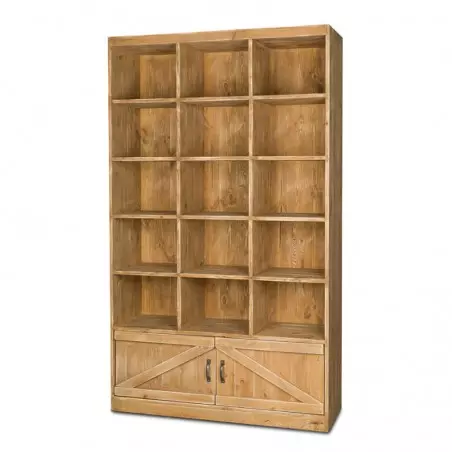
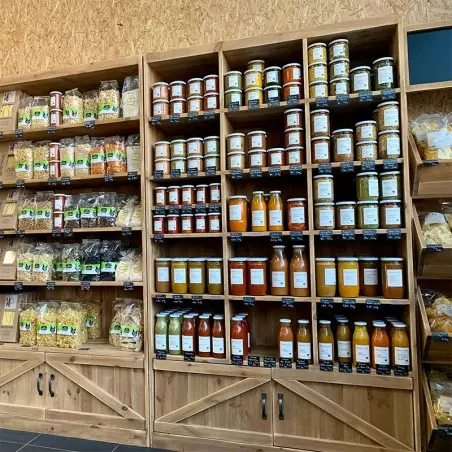
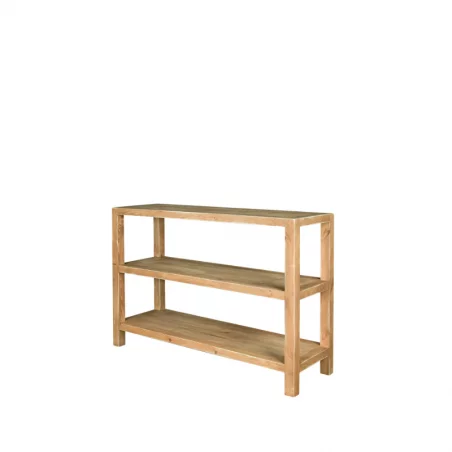
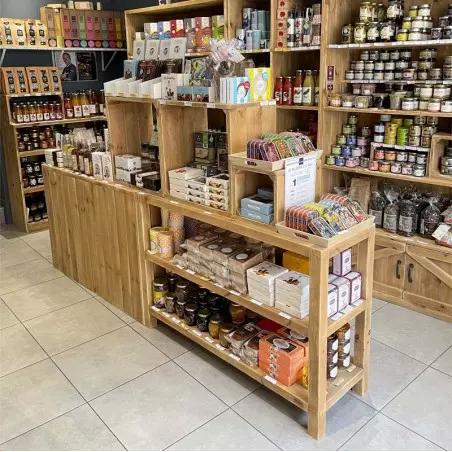
Village grocery store: repair shop, often the first uncovered need in villages with no large nearby area. Well-designed local grocery displays maximize space in a small room.
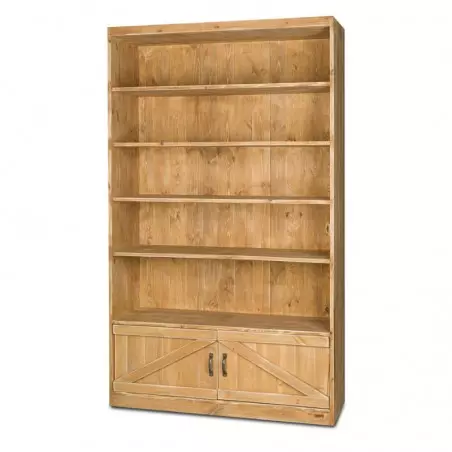
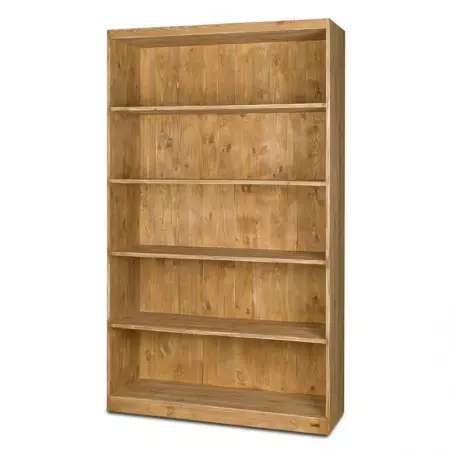
Artisanal bakery: highly anticipated in villages that lack it, with a loyal daily clientele. Bread shelves for professional bakeries structure the offer from the start.
Village café-restaurant: an unmissable place to live, it attracts locals, workers and tourists passing by.
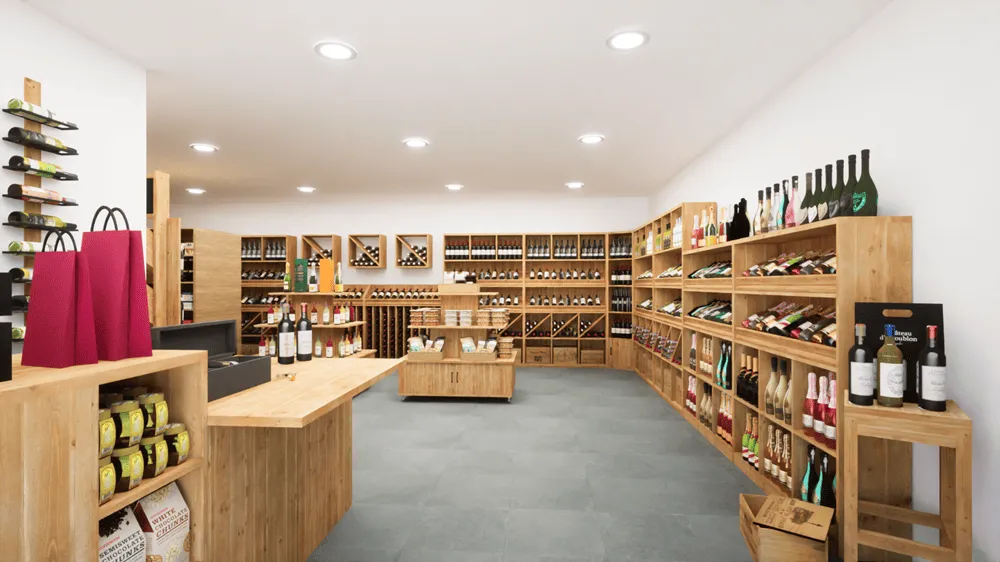
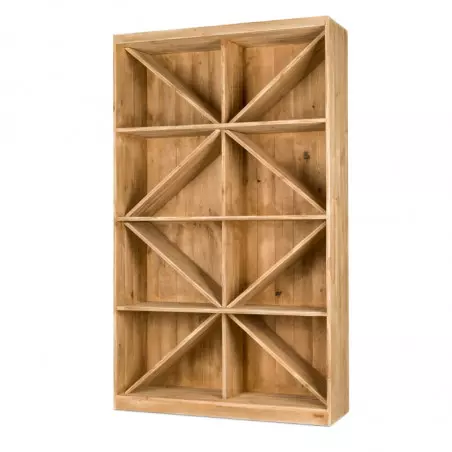
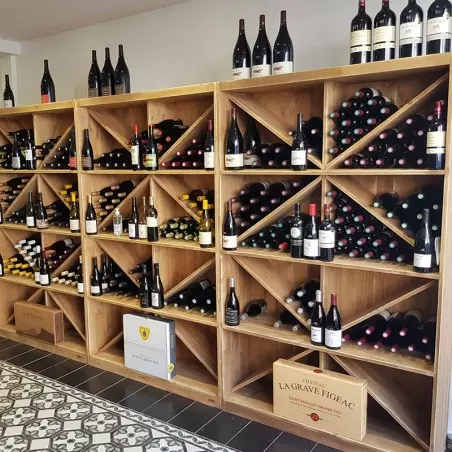
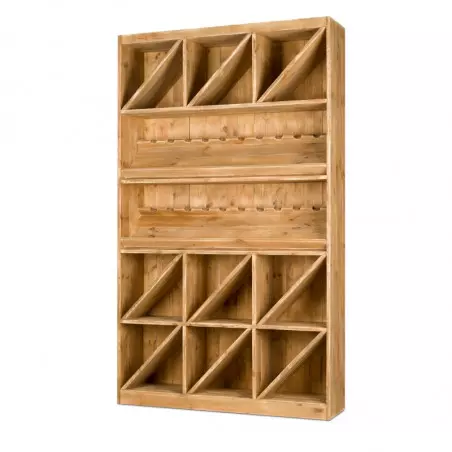
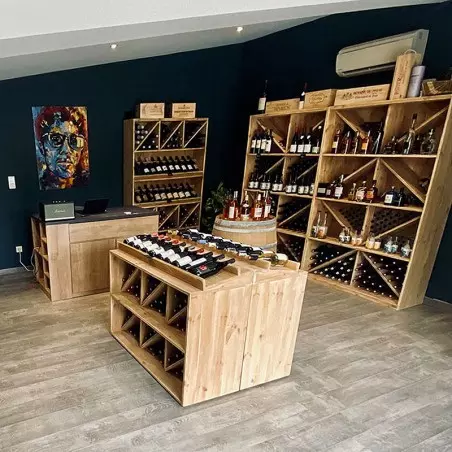
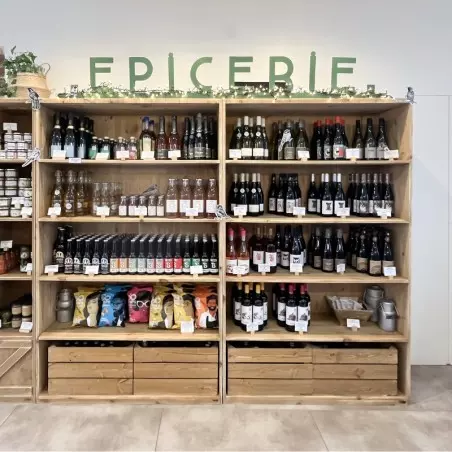
Wine cellar and local products: ideal in wine or tourist areas, with high demand for short circuits.
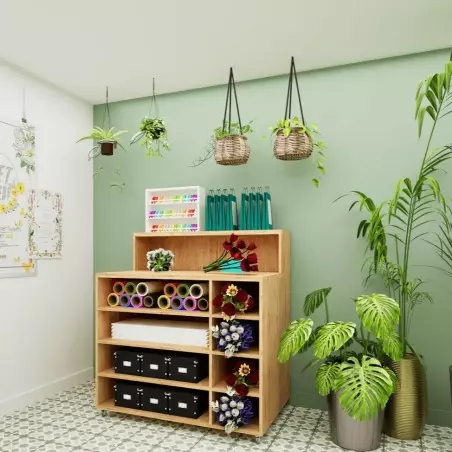
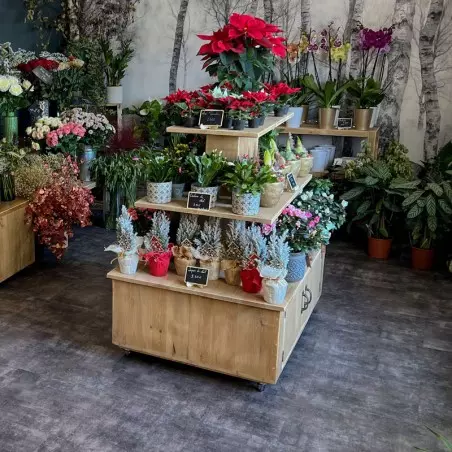
Florist: business not very present in rural areas but regularly solicited for local events (weddings, ceremonies, parties).
Hair salon: daily service that generates a regular and very loyal clientele.
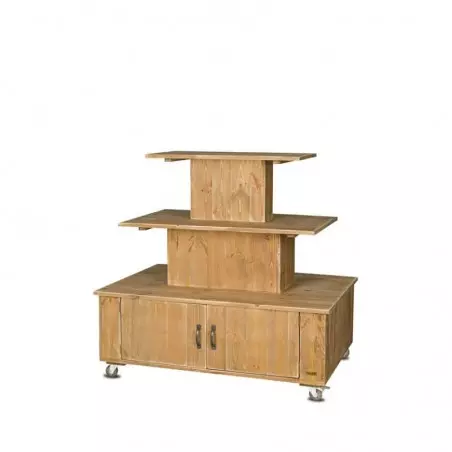
Greengrower and local producer: fast-growing trade, supported by demand for fresh products and short supply chains.
Tobacco-newsagent-bookstore: multiservice point very appreciated in the villages, often combined with other activities.
Café librairie: hybrid concept that attracts a curious clientele and promotes local cultural activities.
Pressing or retouching: practical service, not very present in rural areas and often sought after.
Wellness salon: massage, esthetics, sophrology... the demand for these services is growing even in rural areas.
Creative workshop or classes: pottery, cooking, yoga, sewing... these activities create social bonds and easily retain customers.
Pick-up point and services: parcel post, photocopying, ticketing... little invested and very useful on a daily basis.
Multi-service convenience store: grocery + coffee + bread drop-off, the "all-in-one" format is very suitable for villages with fewer than 500 inhabitants.
Shop of producers: shared sales space between several local producers, with a shared economic model and an engaged clientele.
How to choose a business that fits your profile and expertise
Start from your skills, your experience and what you like to do
Starting from your skills is the golden rule for choosing which type of business to open in a village in a sustainable way. A local business requires a daily presence, great versatility and a real ability to create connections with customers. So start with what you know how to do, what you like and the sectors in which you have a natural legitimacy. A project chosen solely for its supposed profitability rarely lasts over time.
Choose an idea that is consistent with the reality on the ground
Your project must be at the intersection of your skills and the real needs of the village. A brilliant idea that doesn’t match local expectations won’t work, no matter how good you are. Conversely, a less original business that is perfectly adapted to its territory can become essential in a few months. It is this coherence between the project leader and their environment that makes sustainable businesses.
Finding the right balance between passion, utility and sustainability
What business should be opened without a diploma in a village? The good news is that most local businesses do not require a specific diploma. Some require an operating permit (sale of alcohol), HACCP training (sale of fresh food products) or registration in the trade register for artisanal activities. But in the vast majority of cases, motivation, a sense of service and good preparation are worth more than an academic title.
?To remember:
The best business to open in a village is one that crosses your skills with the real needs of the territory.
Most local shops are accessible without a specific diploma
Anticipate the budget, premises, and operational needs
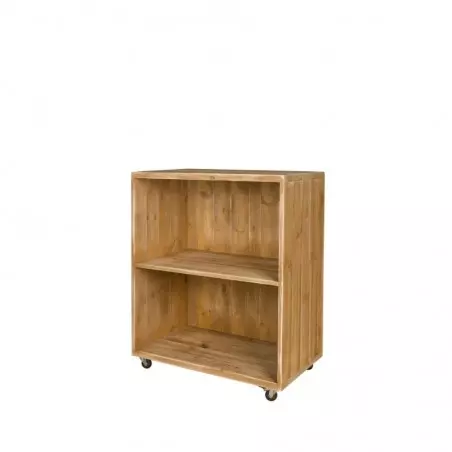
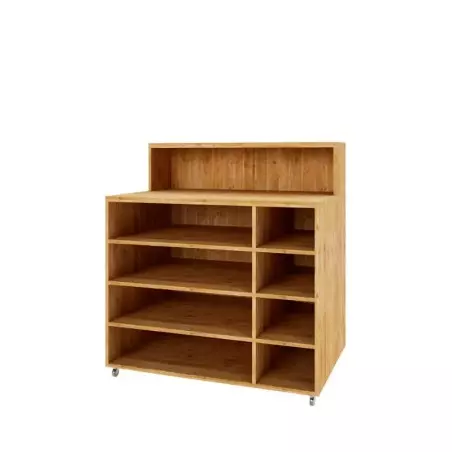
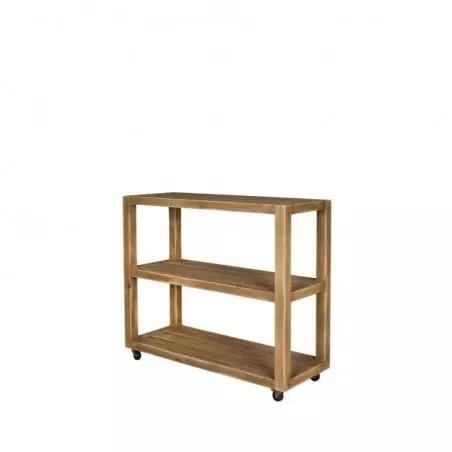
Once your idea has been validated, carefully calculate the cost of your project. The budget varies considerably depending on the type of business: a village grocery store can start with 15,000 to 30,000 euros, while an artisanal bakery will require 80,000 euros or more. Remember to budget for commercial furniture from the outset: reception counters for traders and store shelves for professionals are structuring investments that directly affect the quality of the customer experience.
Structure the first stages of the project
The search for suitable premises, the drafting of the business plan, and administrative procedures must be initiated in parallel. To find out which businesses to open in a village and get support, ask for the available aid: help to open a business in a village can take the form of regional grants, soft loans, CCI support or specific measures such as "Small Towns of Tomorrow" or "Action Heart of City".
Build a useful, sustainable and well integrated trade to its environment
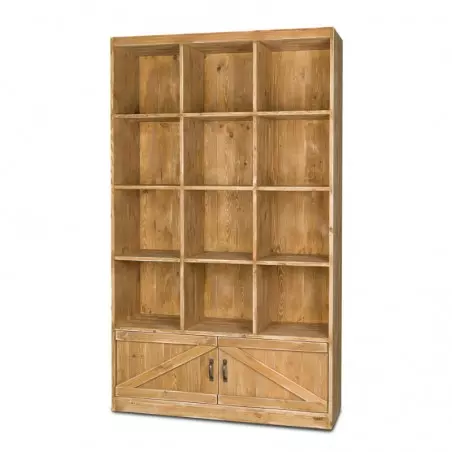
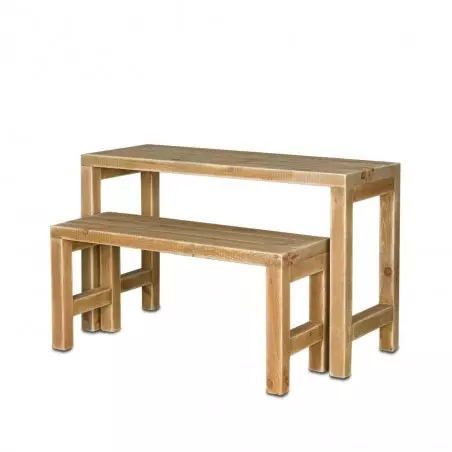
A trade that lasts in a village is a trade that gets involved in local life. Take part in the town’s events, partner with associations and offer complementary services that enhance your usefulness. The layout of your sales area also plays a key role: a well-designed space, with professional furniture for careful retail, inspires confidence from the first visit and signals that you are here to last.
?To remember:
Budget your furniture from the design stage: it influences the customer experience and the credibility of your business.
Public aid (CCI, "Small Cities of Tomorrow") can significantly reduce your initial investment.
As Managing Director of Tradis, she leads the company's development and shares her expertise in solid wood furniture through advice and content for professionals.
 Shelves



.webp)
.webp)




.webp)
_11zon.webp)