Complete guide to successfully implement your store
Store layout is a key factor for maximizing product visibility, enhancing the customer experience, and boosting sales. A thoughtful layout not only organizes your aisles but also guides customers through their shopping journey.
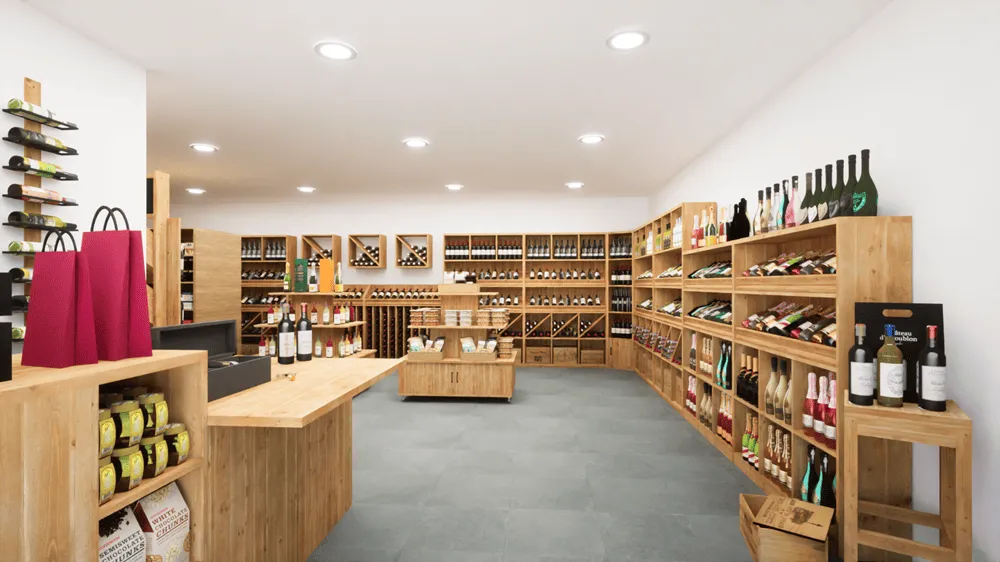
This comprehensive guide presents the different types of store layouts, merchandising techniques, and solutions to showcase your products, including solid wood furniture.
Store layout plays a strategic role in retail. Indeed, the way products are arranged greatly influences customers’ perception and, more importantly, their purchasing behavior. An effective layout promotes circulation, draws attention to key products, and therefore increases the average basket value.
Conversely, a poor layout can create low-traffic areas, reduce the visibility of certain products, and make the store less welcoming… Professionals who master the layout of each aisle see a significant increase in sales and higher customer satisfaction!
The main types of implementation
The different types of store layouts allow you to adapt the space to your products and customer needs. Among the most commonly used, we distinguish:
Linear layout: products are aligned on shelves along the main aisles, making them easy to access and visually scan.
Block layout: products are grouped by category, often in the center of the aisle or on displays.
Island layout: used to highlight seasonal products or promotions in the center of the store.
Mixed layout: combines several types to optimize both circulation and product visibility.
Thematic layout: products are grouped according to a theme, brand, or specific ambiance.
These types of aisle layouts should be chosen based on business objectives and the profile of your customers.
?To remember:
Choosing the right type of store layout depends on the products, space, and business objectives.
A linear layout is effective for regular products, while islands and blocks are suitable for promotions or seasonal items.
A mixed or thematic layout can enhance the customer experience and encourage complementary sales.
Comparative of the types of implementation
A well-designed loyalty program is a powerful tool to attract wine shop customers and encourage them to return regularly. Offer loyalty cards, redeemable points, or exclusive deals for regular customers. Benefits can include discounts on certain products, private tastings, or early access to specific vintages.
It is also effective for this loyalty program to be visible within your store. A sign presenting the loyalty program, placed in a strategic location in your shop, enhances the visibility of your offers and encourages repeat purchases.
Merchandising: optimizing the customer experience
Merchandising layout primarily serves to structure your store, guide the customer, and encourage purchases. Highlighting key products at eye level on store displays, creating smooth traffic flow zones, and clearly distinguishing between aisles all contribute to an optimal customer experience.
Visual coherence and furniture choice, particularly solid wood pieces, also enhance the perceived quality of your store. A well-planned linear layout helps maintain a smooth shopping path while showcasing your best products and promotions.
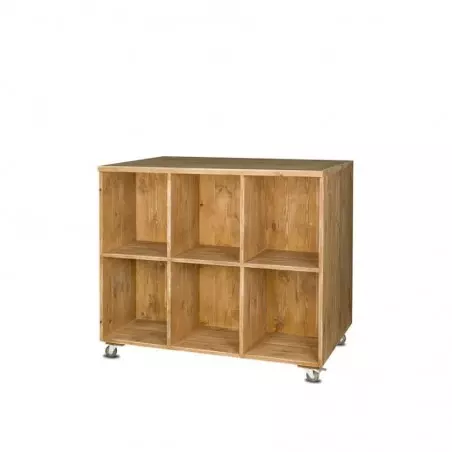
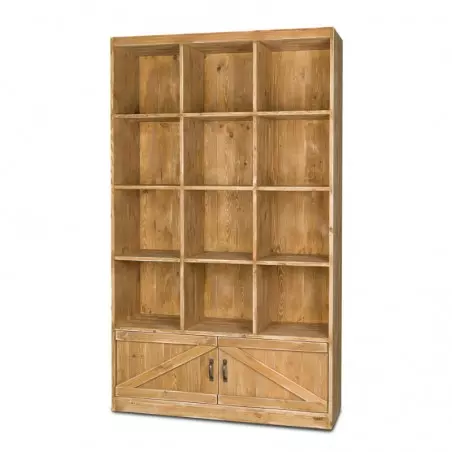
Double-sided central display unit on wheels, 12 compartments, solid wood
Stay informed about our offers and professional advice
Promotions, seasonality and cross-merchandising
Promotions as a sales lever
It is well known that promotions are a powerful tool to boost sales. A well-designed store layout allows you to highlight these products in the center of the aisle or at the endcap.
Using displays and strategically placing products attracts attention and encourages impulse purchases.
Seasonal and thematic locations
Adapting your shelf layout according to the season or events allows for creating renewed shopping experiences.
The seasonal store implementation can include island implementations for flagship products for example, thus enhancing the attractiveness of your shop.
Cross-merchandising to increase the average basket
Cross-merchandising involves placing complementary products close to each other. A good store layout incorporates this principle to encourage the purchase of related items.
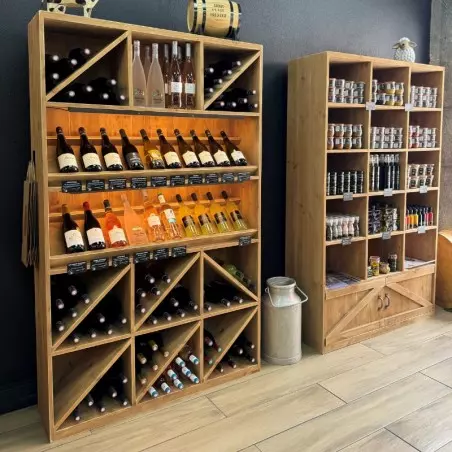
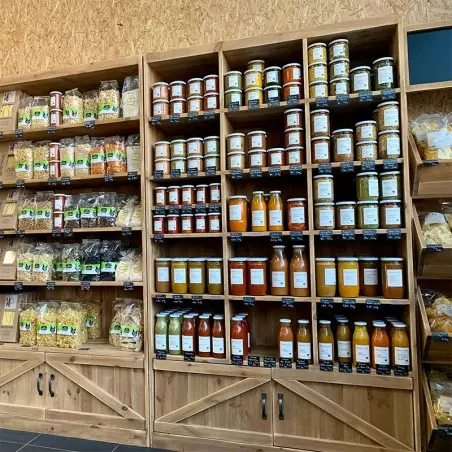
For example, a gourmet aisle can pair jams with cheeses, or wines with accessories. This strategic layout increases the average basket value and enhances the customer experience.
The key players and their role
The brand: strategy, funding and guidelines
The brand defines the implementation strategy, visual guidelines and the financing of merchandising elements. She advises on the level of implementation and ensures consistency with the overall visual identity.
The head of sector: execution and field control
The area manager oversees the implementation of the store setup on the ground, ensures compliance with standards and adjusts the shelves according to performance and customer traffic.
The store: validation and installation
The store validates the implementation of products and participates in the installation, adapting the shelves to physical constraints and local customers. Linear or block implementation can be adjusted to optimize the customer journey and product visibility.
Solid wood furniture: promote your products and your brand
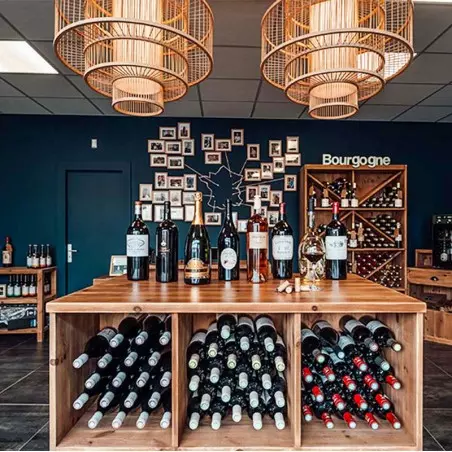
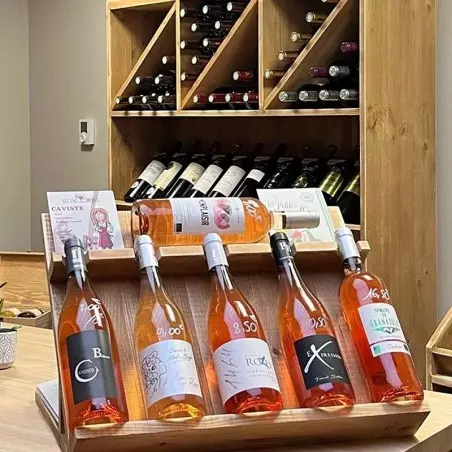
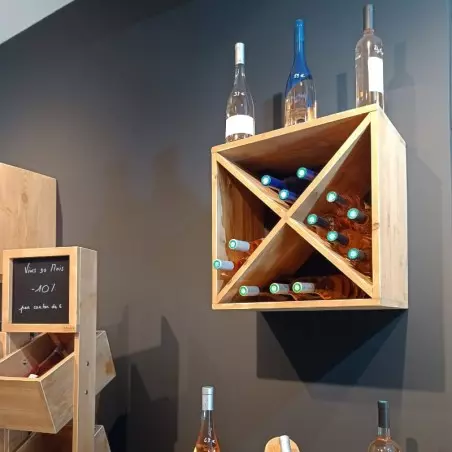
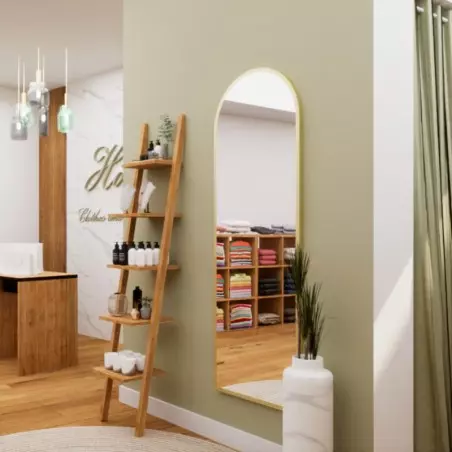
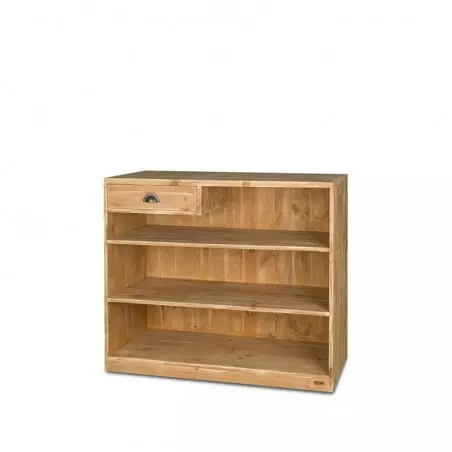
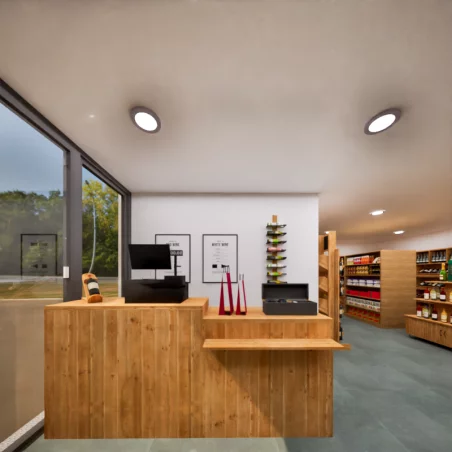
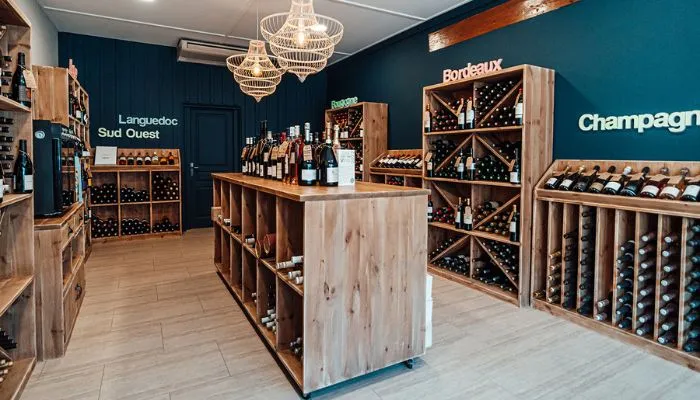
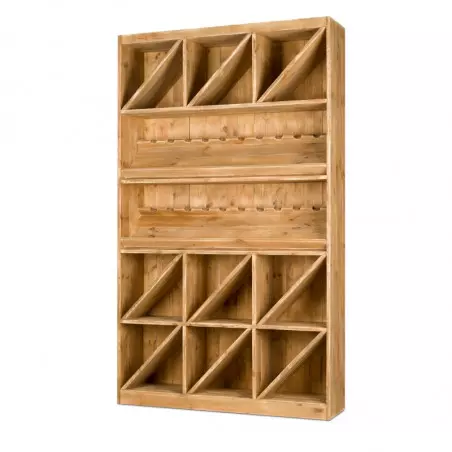
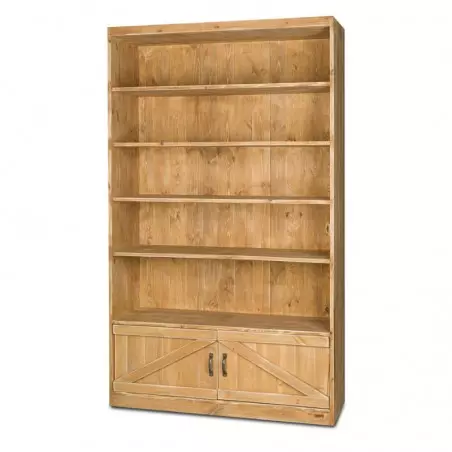
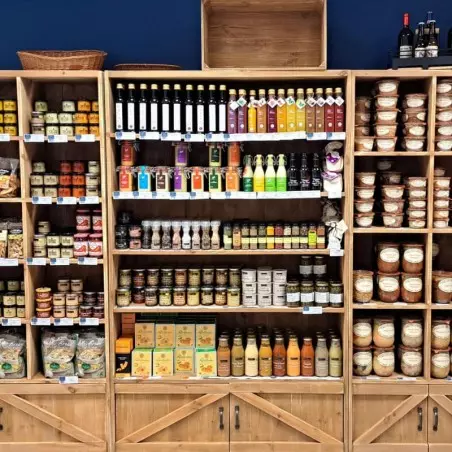
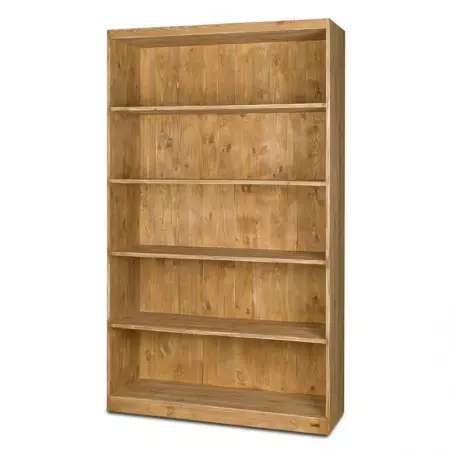
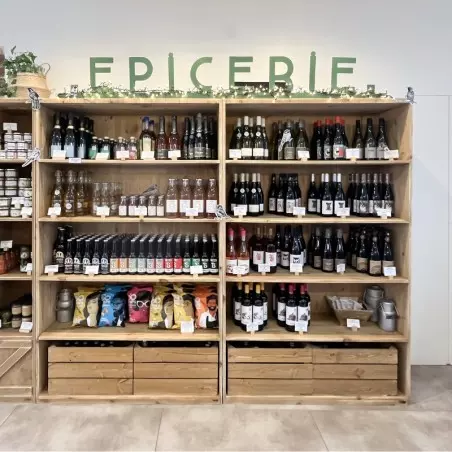
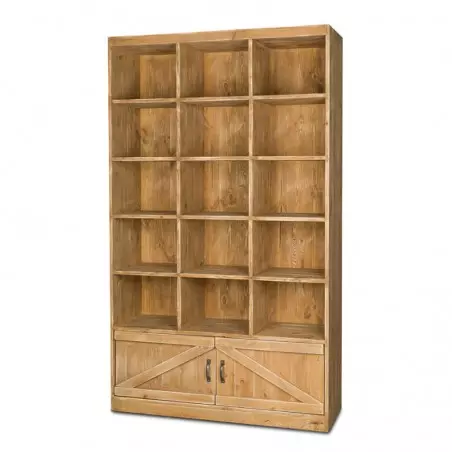
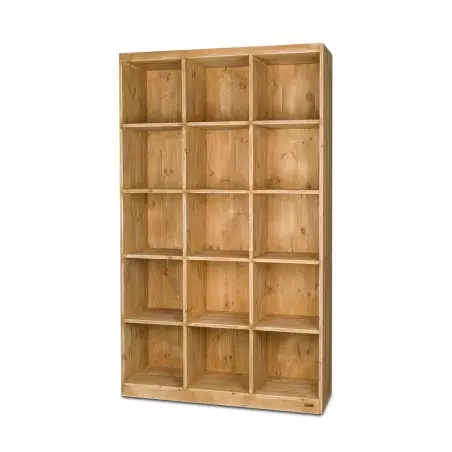
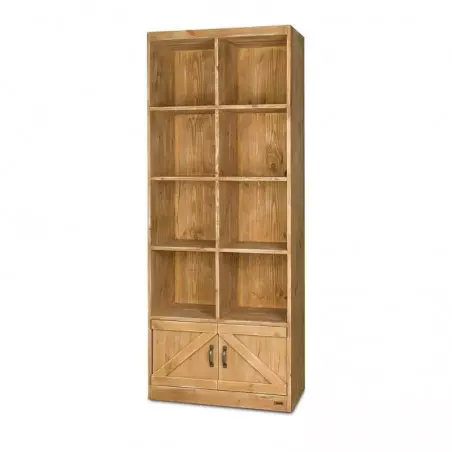
For an optimal and lasting store layout, solid wood furniture provides a solution that is both attractive and practical. These pieces help organize aisles, showcase products, and reinforce your store’s identity.
Layout on wooden shelving, for example, also ensures durability and safety while offering a pleasant visual experience.
By combining a thoughtful layout with quality furniture, you optimize the customer journey, make it easier to locate products, and increase the average basket value!
As Managing Director of Tradis, she leads the company's development and shares her expertise in solid wood furniture through advice and content for professionals.
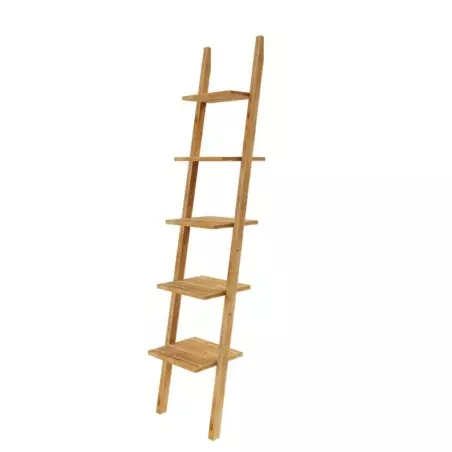
 Shelves



.webp)
.webp)

_11zon.webp)
_11zon.webp)
.webp)