Opening a Shop: The Complete Guide to Launching Your Retail Business
Thinking about opening a shop and turning your entrepreneurial dream into reality? Whether you're planning a fine food deli, a clothing boutique or a neighbourhood convenience store, the path from idea to opening day is full of steps that can make or break your launch. Getting them right from the start makes all the difference.
This complete guide walks you through everything you need to know to open your own shop in 2026: concept, legal structure, budget, location and administrative requirements.
Physical Shop, Online or Hybrid: Which Model to Choose?
Before diving in, your first major decision is choosing your trading model. Three options are available:
A physical shop: a commercial premises open to the public, with a storefront and direct customer relationships. This is the traditional model for independent retail and the one that builds the strongest local customer loyalty.
An online shop: an e-commerce store accessible 24/7 with no geographic constraints. Overheads are lower, but competition is global and driving traffic requires sustained marketing investment.
A hybrid model: a physical presence complemented by an e-commerce website. This is currently the most resilient model for independent retailers who want to open their own shop while also reaching an online audience.
For most independent retailers, the physical shop remains the gold standard: it creates a unique customer experience, builds loyalty and allows you to make the most of your shopfit and professional furniture.
Who Can Open a Shop?
Opening a shop in the UK is open to any adult with the right to work and trade. There is no general qualification requirement to run a retail business.
Qualifications and Regulated Trades
Some activities are exceptions and require specific professional qualifications:
Bakery: while not strictly regulated in the UK, food hygiene certificates (Level 2 minimum) are required for anyone handling food.
Hairdressing: no mandatory licence in the UK, but professional qualifications (NVQ/SVQ Level 2 or 3) are strongly expected by customers and insurers.
Optometry: regulated by the General Optical Council; a registered optometrist must be on-site.
Alcohol retail: a Personal Licence is required to authorise the sale of alcohol, issued by your local council.
For unregulated retail (deli, wine merchant, florist, clothing, greengrocer), no qualification is required. Passion, sector knowledge and a solid business plan are enough to open your own shop.
Building Your Business Project
Concept, Market Research and Business Plan
How to open a shop that lasts? Everything starts with rigorous thinking around three pillars:
The concept: what offer, for which customers, with what positioning? A distinctive concept is the foundation of any profitable shop. It defines product selection, visual identity, pricing and the overall atmosphere of your retail space.
Market research: analyse your catchment area, identify local competition, assess customer potential and validate that your offer meets a genuine need. This step is essential before any financial commitment.
The business plan: formalise your revenue forecasts, fixed and variable costs, break-even point and working capital requirement. This is your key document for convincing banks and investors to fund your venture.
?Key takeaways
A clear, distinctive concept is the foundation of any successful shop opening.
Market research must come before signing a lease or making any financial commitment.
Your business plan is both your management tool and your persuasion tool.
Choosing Your Legal Structure
Your legal structure determines your tax position, national insurance obligations and personal liability. Here are the main options for opening your own shop in the UK:
Structure
Best for
Advantages
Limitations
Sole Trader
Testing a concept, low turnover
Simple setup, low admin
Unlimited personal liability
Partnership
Two or more founders
Shared costs and skills
Joint liability
Limited Company (Ltd)
Growth ambitions, credibility
Limited liability, tax efficiency
More admin, annual filing with Companies House
Limited Liability Partnership (LLP)
Professional partnerships
Flexible profit sharing, limited liability
More complex setup
For most independent retailers opening their own shop as a sole operator, registering as a Sole Trader is the quickest and simplest starting point. Moving to a Limited Company becomes advantageous once profits exceed approximately £30,000 per year.
Join over 2500 merchants who trust Tradis
Stay informed about our offers and professional advice
Budget and Financing Your Opening
Opening a shop represents a significant investment. The main costs to plan for include:
Premium or key money: varies widely by location, from a few thousand to tens of thousands of pounds for a sought-after pitch.
Fit-out and shopfitting: from £10,000 to over £100,000 depending on the condition of the premises and the finish required. Professional furniture (shelving, display units, reception counter) is a strategic investment in how your offer is perceived from day one.
Opening stock: varies by sector, typically between £5,000 and £30,000.
Working capital: allow for 3 to 6 months of fixed costs to cover the initial trading ramp-up.
Miscellaneous costs: business registration, insurance, deposit, opening marketing.
Financing options available to UK retailers include:
Personal savings: most lenders expect a contribution of 20% to 30% of the total project cost.
Business bank loan: negotiate on the strength of a solid business plan.
Government-backed schemes: the Start Up Loans programme (government-backed personal loans of up to £25,000 at a fixed 6% interest rate), British Business Bank guarantees and local Growth Hub grants are all accessible to new retailers.
Finding the Right Location
Location is the single most important factor in the success of a physical shop. A great product in the wrong place won't sell. A prime pitch can compensate for an offer that's still finding its feet.
Key factors to assess: pedestrian footfall and shopfront visibility, the nature of neighbouring businesses (complementary or direct competition), accessibility (public transport, parking), rent relative to projected turnover, and the economic vitality of the area.
The Checklist Before Signing a Commercial Lease
Does the rent represent less than 10% to 15% of projected turnover?
Is it a standard FRI (Full Repairing and Insuring) lease with no unduly restrictive use clauses?
Does the permitted use match your intended trading activity?
Will the condition of the premises require significant works not budgeted for?
Is the landlord willing to offer a rent-free period during fit-out?
Is there a landlord's break clause that could cut short your occupation?
When is the next rent review due?
Pre-Opening Formalities
How to open your own shop compliantly requires completing a number of administrative steps before trading:
Business registration: register as a Sole Trader with HMRC or incorporate a Limited Company via Companies House. Both can be done online within a few days.
Opening a business bank account: strongly recommended for all structures; mandatory in practice for Limited Companies.
Taking out mandatory insurance: employer's liability insurance (legally required if you employ anyone), public liability insurance and commercial property insurance as a minimum.
Building regulations and planning consent: if you carry out fit-out works that alter the structure or change the use of the premises, you will need to notify your local council and may require planning permission.
Activity-specific licences: a Personal Licence for alcohol retail, food business registration with your local authority at least 28 days before opening, premises licence if applicable.
Achieving a Successful Launch and Avoiding Common Mistakes
Opening your shop is one thing. Making it profitable quickly is another. Here are the most common mistakes to anticipate:
Underestimating the budget: always build in a contingency of 15% to 20% above your initial estimate to absorb fit-out overruns and slower-than-expected early trading.
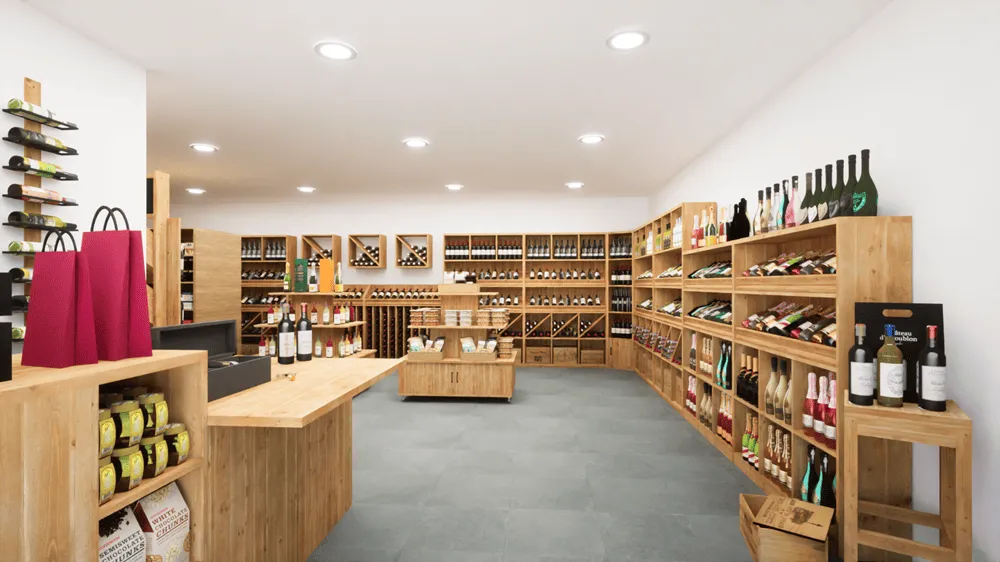
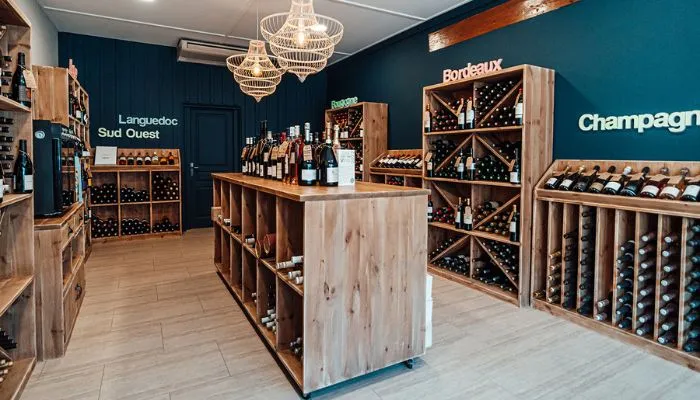
Neglecting the shopfit: how your shelving, display furniture and customer flow are organised directly impacts sales. A well-designed retail space with professional solid wood furniture creates a customer experience that drives repeat visits from day one.
Opening without a customer base: start communicating on social media several weeks before opening day. Organise a launch event to generate word-of-mouth from the very start.
Overlooking compliance: price marking obligations, fire safety requirements, food hygiene ratings where applicable. A compliance failure discovered after opening can result in a costly forced closure.
Tiffany Sarrazin
As Managing Director of Tradis, she leads the company's development and shares her expertise in solid wood furniture through advice and content for professionals.
 Shelves




.webp)

_11zon.webp)
_11zon.webp)
_11zon.webp)