Restaurant plan: design a functional and profitable space
Designing an effective restaurant plan is a crucial step to ensure the success of your establishment. A well thought-out plan optimizes the space, facilitates the circulation of clients and staff, and allows for creating a pleasant atmosphere while respecting safety standards.
For professionals, the plan is not limited to the arrangement of tables: it encompasses the entire room, kitchen, storage areas and furniture. This comprehensive guide details all the steps to design a functional and cost-effective plan.
The restaurant plan plays a strategic role in the success of an establishment. It determines the capacity, the fluidity of the service and the customer experience. A well-organized room maximizes the number of seats without compromising comfort, while poor furnishings can slow down service and reduce customer satisfaction.
For professionals, a thoughtful plan also facilitates staff management, reduces the risk of accidents and optimizes kitchen workflows. Investing time in the design of your plan is therefore a determining factor for the profitability and sustainability of your restaurant.
1. Define the concept of your restaurant
Before drawing your plan, it is essential to define your concept. Is it a bistro, a café, a gourmet restaurant or an urban brasserie? The concept directly influences the type of furniture, the arrangement of tables and the general configuration of the room.
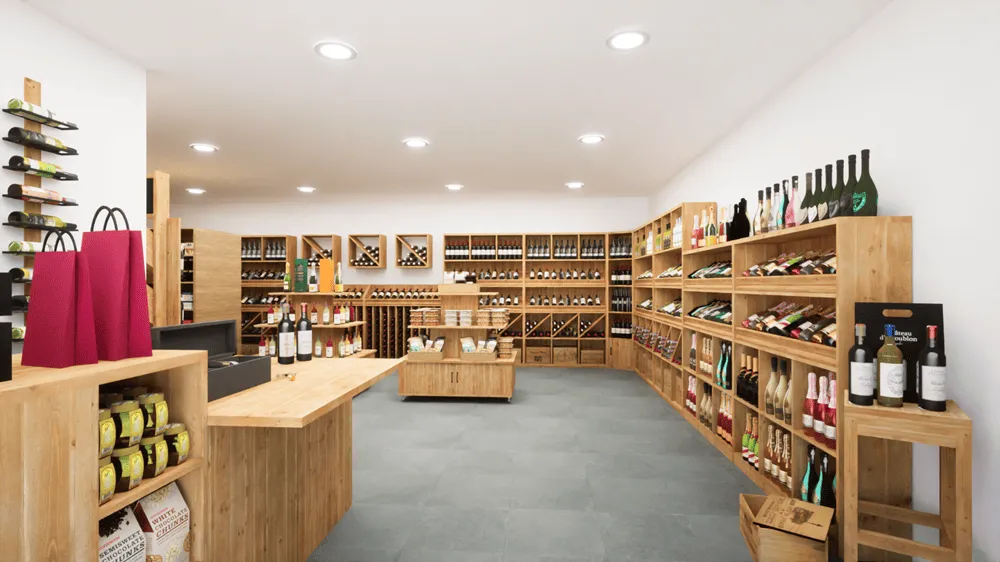
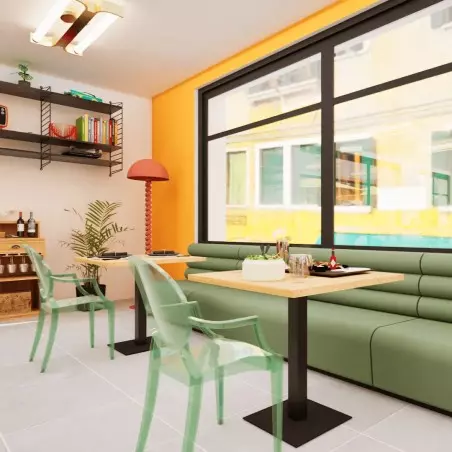
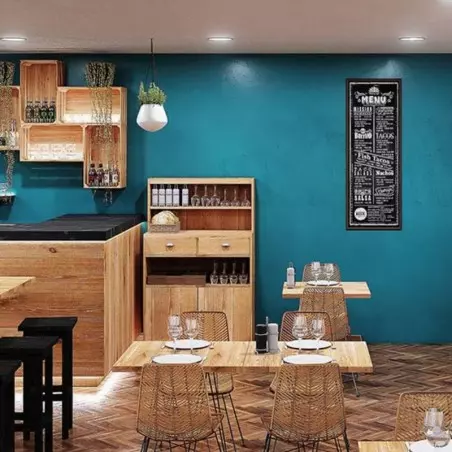
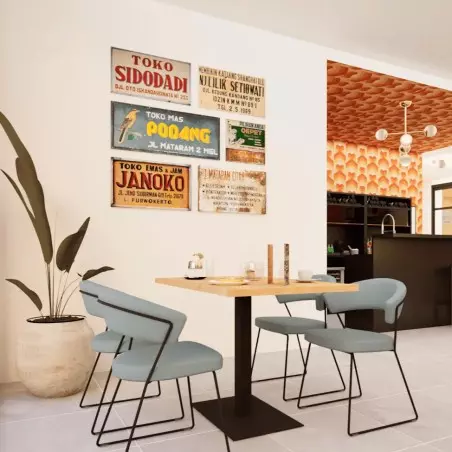
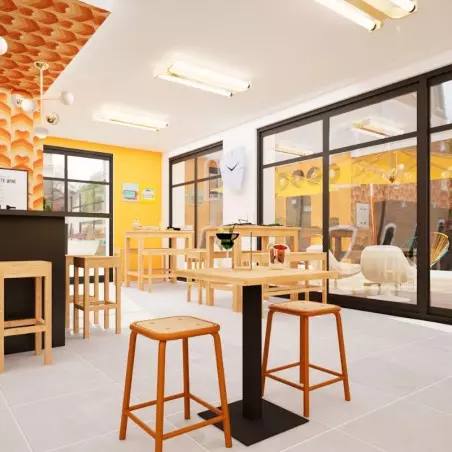
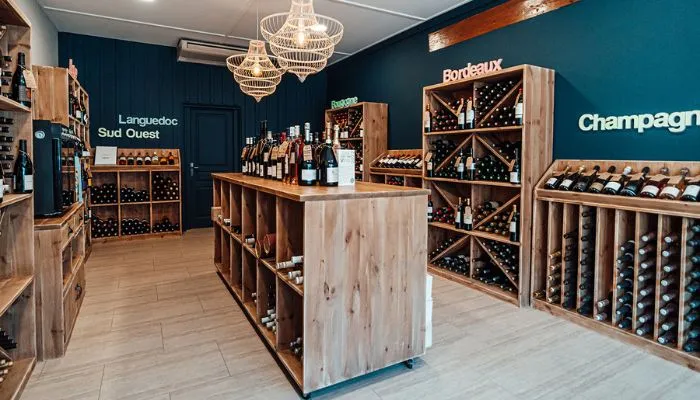
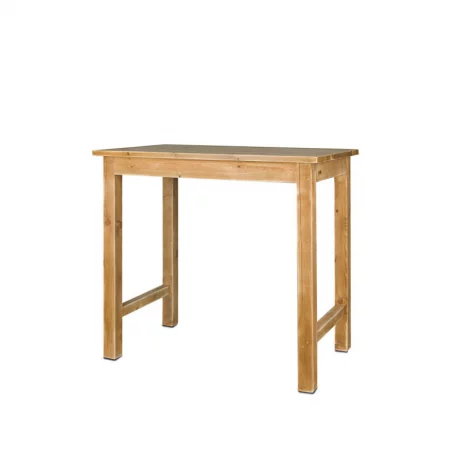
For example, a neighborhood café will favor rather small tables and friendly areas for 2 to 4 people, while a gourmet restaurant can integrate more spaced tables, benches and private areas. The concept will also guide the choice of the restaurant room plan and the adapted furniture, such as solid wood tables, counters, and shelves to optimize space.
2. Study the market and choose the location
Choice of location and market knowledge are essential to design a relevant restaurant plan. The analysis of competition, pedestrian flow and population density influence the size of the room, the number of tables and the layout of the areas.
A market study determines the optimal capacity, space requirements for kitchen and storage, as well as customer preferences. All these elements are fundamental to create a balanced dining room plan adapted to your target clientele.
3. The essential areas to integrate into your plan
A restaurant plan should include several key areas: the main room, the kitchen, storage areas, sanitary facilities and possibly a bar or lounge area. Each area must be sized to facilitate service and circulation.
The restaurant room must be designed to comfortably accommodate your clients while allowing the staff to move smoothly. The kitchen and preparation areas should be close to the room to reduce travel and improve the speed of service. These considerations are essential for an efficient and ergonomic restaurant plan!
4. Standards and safety: what to anticipate
Meeting safety and accessibility standards is crucial in a plan. It is mandatory to provide emergency corridors and exits in accordance with the regulations, as well as areas accessible to persons with reduced mobility.
The arrangement of tables and furniture must allow rapid evacuation in case of emergency and respect the minimum distances between the different areas. A restaurant plan that incorporates these standards protects your customers and staff, while avoiding administrative penalties.
Stay informed about our offers and professional advice
5. Design the room and kitchen plan
The design of the dining room plan and kitchen is the central stage. It is necessary to define the arrangement of tables, counters and service areas while ensuring smooth travel.
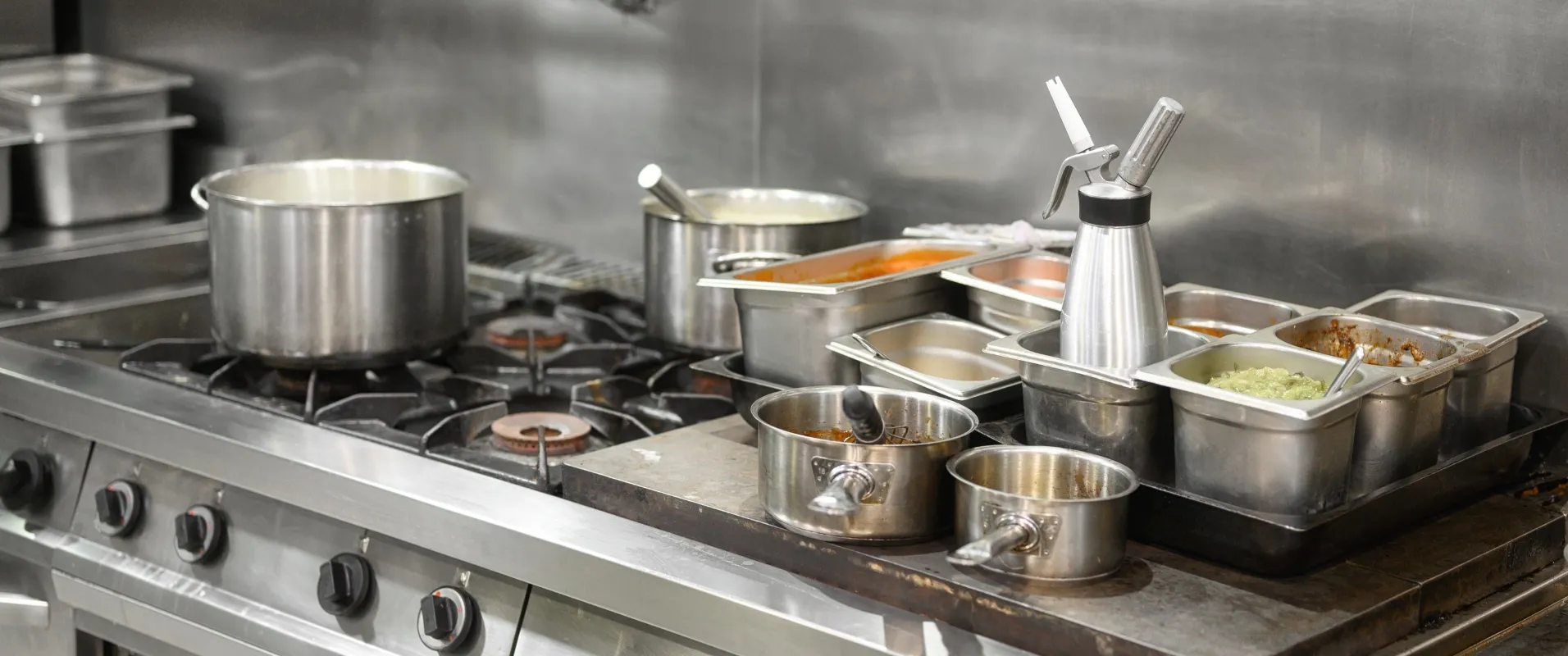
The kitchen plan must allow for a logical organization of positions: cooking, preparation, dishwashing, and storage. For the room, it is important to create distinct areas according to the type of client or service: quiet corner, family area, tables for two or four people. The objective is to maximize capacity while maintaining optimal comfort. A well-thought out restaurant plan ensures fast and efficient service.
6. Using a software to create your plan
To design a precise and professional restaurant plan, the use of specialized software is recommended. These tools make it possible to simulate the layout, adjust the dimensions and visualize the circulation in the room.
Software also facilitates the planning of kitchen flows and the arrangement of furniture. It is possible to test different restaurant plans before making final decisions, which allows for optimizing the space and planning for potential future developments.
7. Essential furniture and equipment
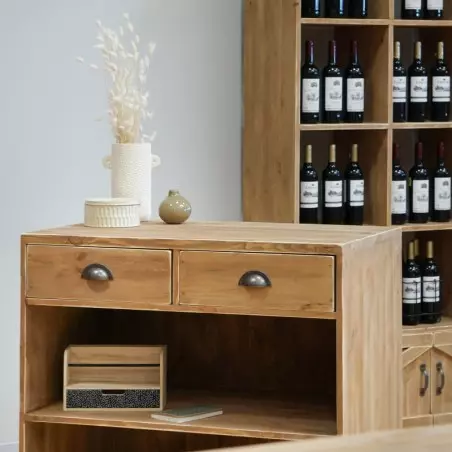
The choice of restaurant furniture is decisive in the success of a restaurant plan. Tables, chairs, countertops and shelves must be solid, aesthetic and suitable for professional use.
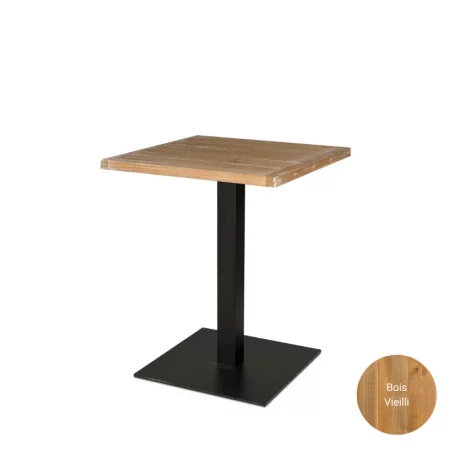
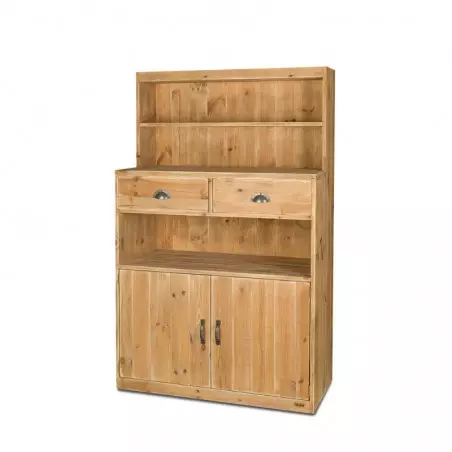
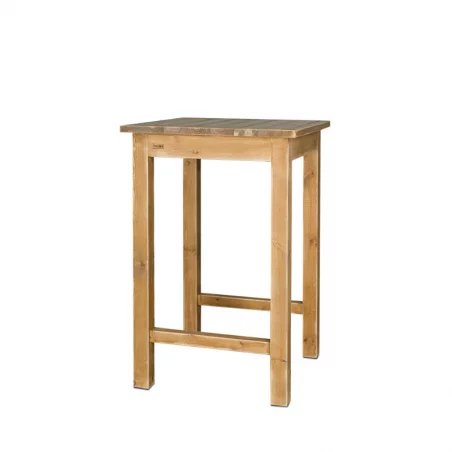
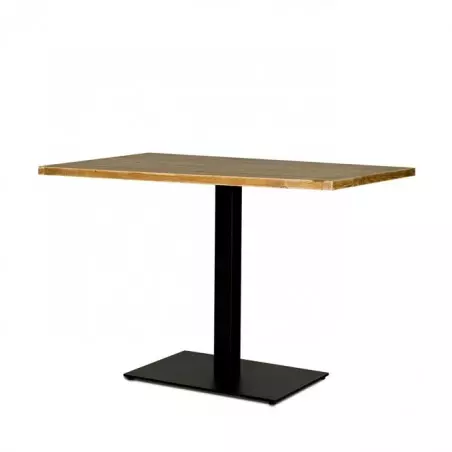
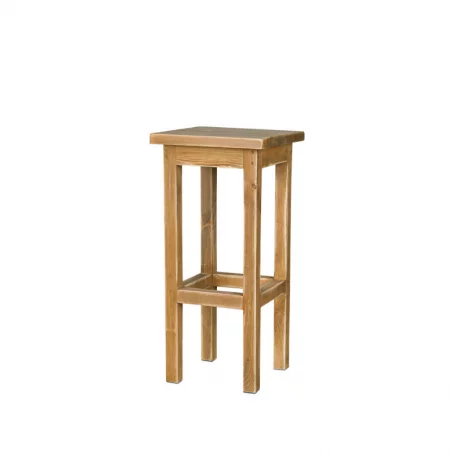
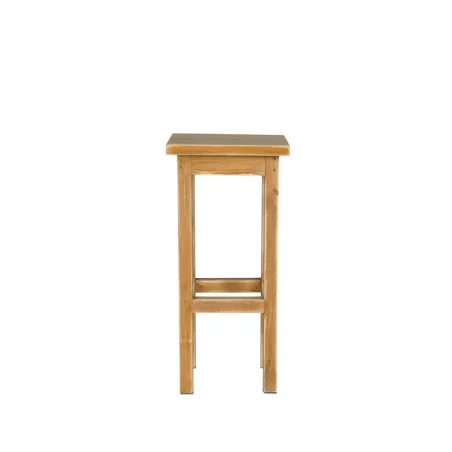
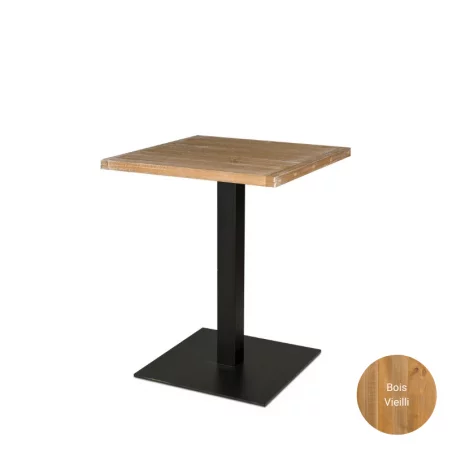
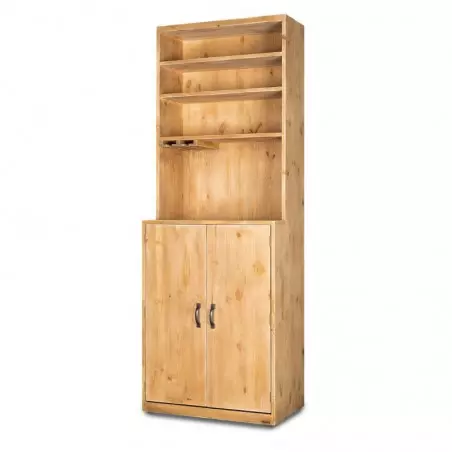
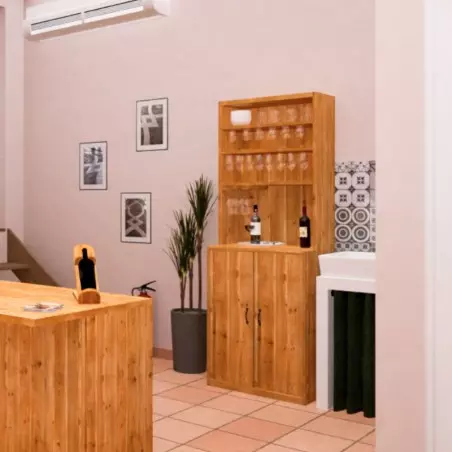
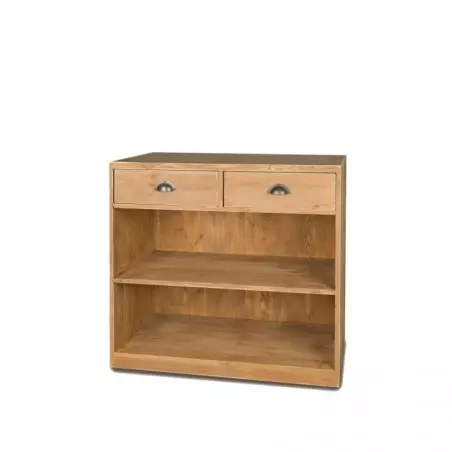
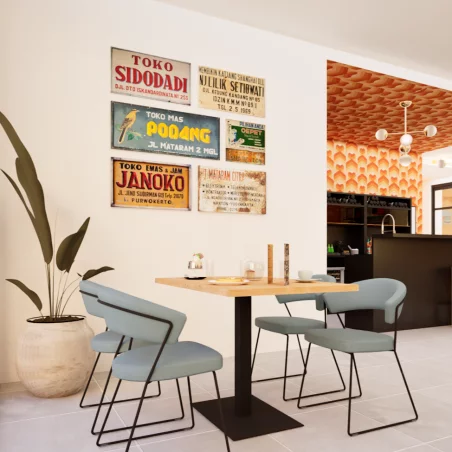
To optimize the dining room, it is advisable to opt for modular and resistant furniture, capable of withstanding intensive daily use. The solid wood restaurant tables, benches and counters offered by Tradis allow to create a harmonious and functional dining room plan. The furniture must fit perfectly into the plan to facilitate circulation, enhance the space and improve the customer experience.
8. Optimize space for comfort and performance
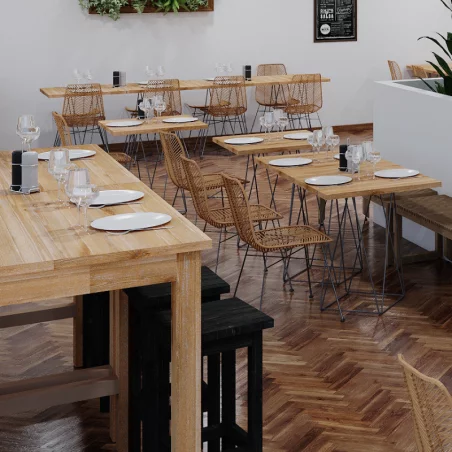
An efficient restaurant plan maximizes space without sacrificing comfort. It is important to provide enough space between the tables so that customers can move easily and staff can move quickly.
Space optimization also includes the positioning of service areas, bar and decorative elements. Each square meter must be used strategically to improve the overall performance and profitability of the dining room.
9. Prepare the business plan and financial planning
The restaurant plan design must be accompanied by rigorous financial planning. The business plan must integrate the cost of furniture, layout, equipment and labor.
An accurate estimate allows you to verify that the planned dining room plan is cost-effective and suitable for your budget. Financial planning ensures that investments in the room, kitchen and furniture will be consistent with your business goals.
10. Adapt the plan to the evolution of the project
A restaurant plan should not be fixed. It is essential to allow room for maneuver to adapt the layout to future needs: increase in the number of clients, extension of the room, addition of new service areas.
The flexibility of the furniture and the modularity of the spaces allow adjusting the plan over time without disturbing daily activity. This adaptability is a major asset for professionals wishing to evolve and develop their establishment.
Conclusion: a thoughtful plan to ensure success
A well-designed plan is the key to a functional, comfortable and cost-effective facility. By clearly defining the concept, respecting standards, optimizing space and choosing suitable furniture, professionals can create an attractive and efficient restaurant room.
The restaurant plan guides all decisions, from table layout to kitchen organization, and directly influences customer satisfaction and profitability. By investing time and resources in the design of your restaurant plan, you ensure a smooth start and increase your chances of success in the long term!
As Managing Director of Tradis, she leads the company's development and shares her expertise in solid wood furniture through advice and content for professionals.
 Shelves



_11zon.webp)
_11zon.webp)





_11zon.webp)
_11zon.webp)