Opening a wine shop is an exciting project, but it requires careful preparation. Between administrative procedures, choosing a location, building your inventory, and designing the store layout, there are many steps involved.
This guide walks you through the process step by step—from initial training to the opening of your shop—so you can launch your wine store under the best possible conditions in 2026.
+1,200 fitted-out retail stores
4,8/5 from +250 customer reviews
Delivered assembled
Solid wood
What training does it take to become
?
There is no mandatory diploma required to open a wine shop. However, a strong wine knowledge is essential to advise your customers with credibility and to build a coherent product offering. Several training paths can help structure your knowledge before getting started.
The WSET (Wine & Spirit Education Trust) is an internationally recognised certification, available at different levels depending on your experience. The BTS in viticulture and oenology or short training courses in oenology offered by professional organisations such as the CNPR are also solid foundations. To go further, the French Federation of Independent Wine Merchants has created the title of “Master Wine Merchant” (Maître Caviste), which highlights your expertise to customers.
Beyond wine knowledge, skills in retail management, accounting, and merchandising are strongly recommended. Becoming an independent wine merchant is above all about running a business.
What budget should be allocated to open a wine cellar?
The budget required to open a wine shop varies greatly depending on the size of the premises, location, and level of initial stock. For a 50 m² shop in a city centre, industry professionals estimate a total investment between €80,000 and €150,000, excluding the purchase of goodwill.
This budget is typically broken down as follows: initial stock represents the largest expense, often between €20,000 and €50,000 depending on the product range. Shop fitting, possible renovation works, wine shop furniture, and specific equipment such as refrigerated cabinets account for between €15,000 and €40,000. Finally, you must also plan for starting cash flow to cover the first months of operations, marketing costs, and fixed expenses.
How much does it cost to open a small wine shop with a more modest concept? For a surface area of 20 to 30 m², an initial investment of around €40,000 to €60,000 is achievable, provided you choose durable and versatile furniture from the start. To finance your project, explore business bank loans, startup aid schemes (ACRE, PCE), and regional grants supporting independent retail businesses.
?To remember:
The average budget to open a 50 m² wine shop is estimated between €80,000 and €150,000.
Initial stock and shop fitting are the two largest expense items.
Business startup grants and support schemes are available to help reduce the initial investment.
What are the steps to create a wine cellar?
Opening a wine shop requires following a structured process. Here are the main steps to follow to launch your business under the best conditions.
The first step is to create your wine shop business plan. This document formalises your concept, market research, three-year financial forecasts, and commercial strategy. It is essential for convincing banks and financial institutions.
Next comes the choice of legal structure. SAS and SARL are the most common forms for this type of business. Once registered with the trade register (RCS), you can look for your premises and start the process of obtaining the necessary licences. At the same time, you should identify and select your suppliers (wine estates, wholesalers, importers), ideally during trade fairs such as Vinexpo or wine exhibitions.
Finally, the shop fitting and communication around your opening are the last steps before launching your business.
What are the regulations for opening a wine cellar?
Alcohol sales are strictly regulated in France. To open a wine shop, you must obtain a licence appropriate to your activity. The “takeaway licence” allows you to sell beverages from groups 2 to 5, meaning all wines, beers, and spirits. If you wish to offer in-store tastings, you will also need a 3rd-category licence or a “large licence,” depending on the beverages served.
Obtaining these licences is subject to a mandatory 20-hour training course, which allows you to obtain the operating licence (permis d’exploitation). This training to open a wine shop is provided by approved organisations and must be completed before opening. In addition, 15 days before opening your business, a prior declaration must be submitted to the town hall using form CERFA 11542. You must also register with the local customs office. For everything related to administrative and commercial organisation, our guide on how to organise a professional wine shop will provide useful reference points.
?To remember:
The takeaway licence is essential for selling wine in a shop.
The 20-hour training course to obtain the operating licence is mandatory before opening.
A prior declaration at the town hall and registration with customs are also required.
How do you stand out from other wine merchants?
The independent wine merchant market is highly competitive, particularly due to supermarkets, which account for a large share of wine sales in France. To become an independent wine merchant and ensure the long-term success of your business, differentiation is your main lever.
Your added value primarily lies in personalised advice: customers come to you for expertise that large retailers cannot provide. Building a carefully curated selection, highlighting lesser-known estates, offering organic or natural wines, or specialising in a specific wine region are all ways to clearly position your business.
Additional services also play a key role in customer loyalty: regular tastings, introductory wine workshops, monthly wine subscription boxes, and a fine grocery corner with gourmet products.
How to create an attractive and functional wine cellar?
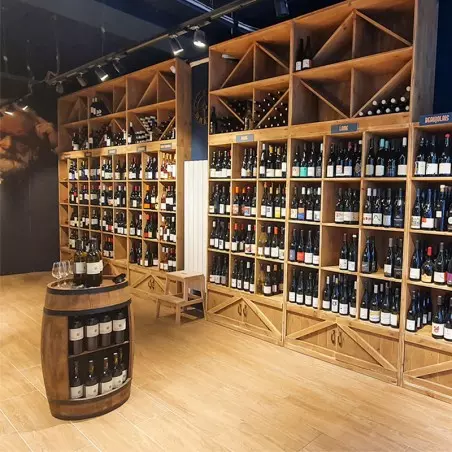
The layout is a key step when opening a wine shop that makes customers want to walk in and return. A well-designed space naturally guides the customer, highlights your selection, and encourages additional sales.
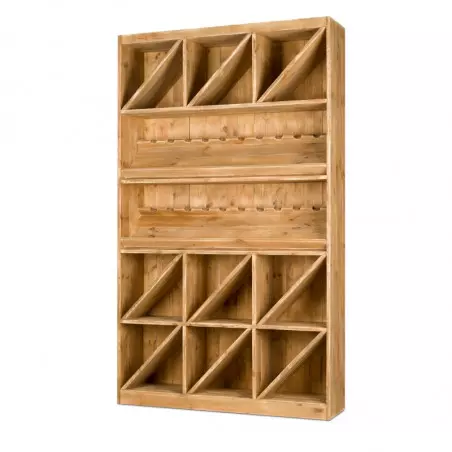
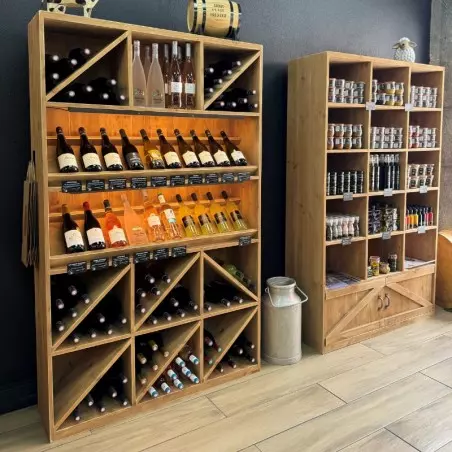
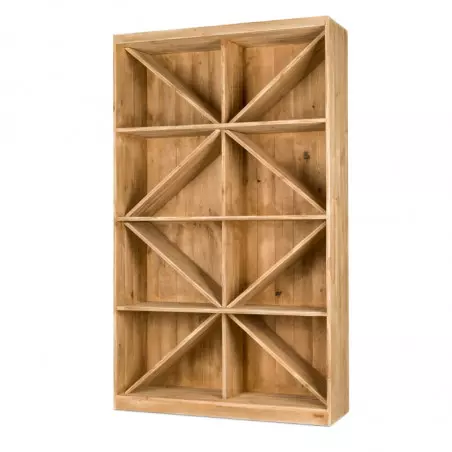
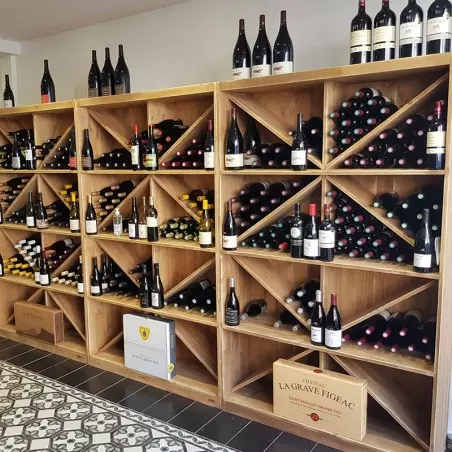
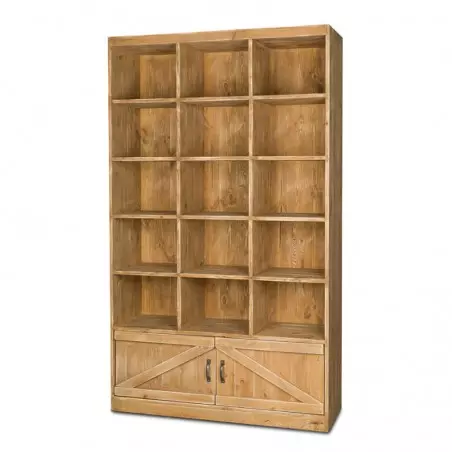
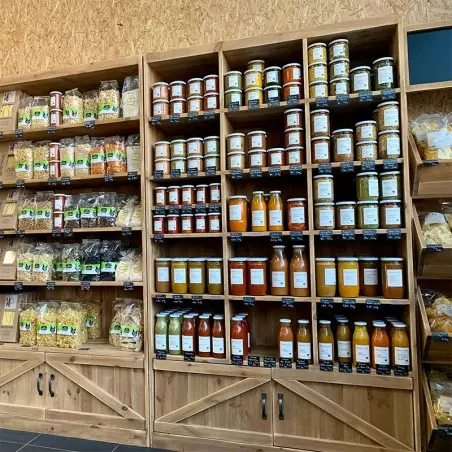
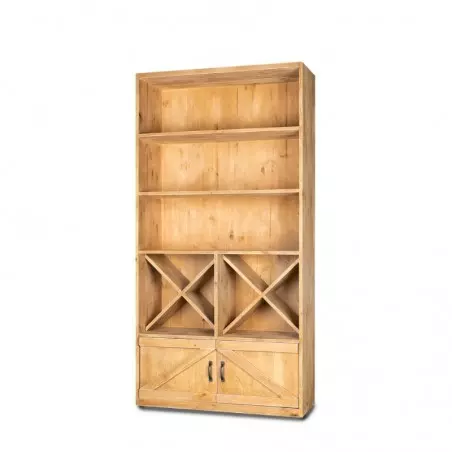
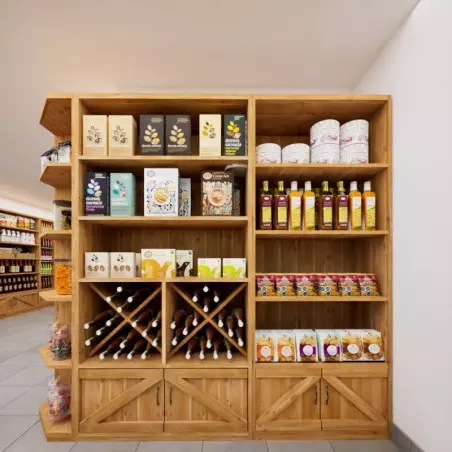
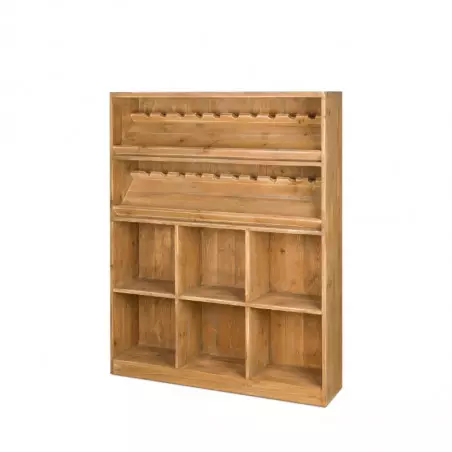
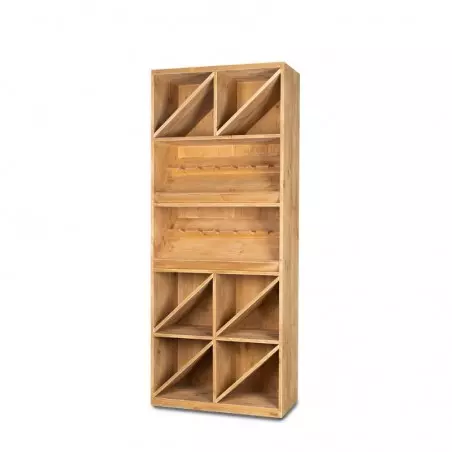
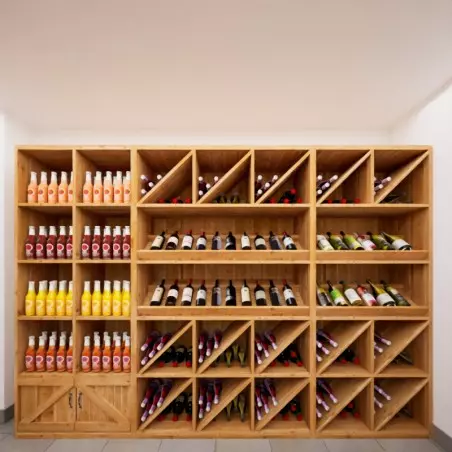
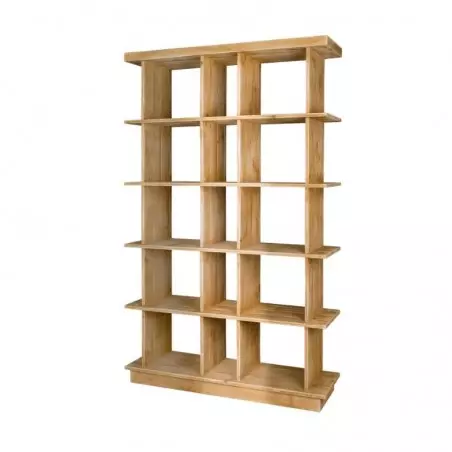
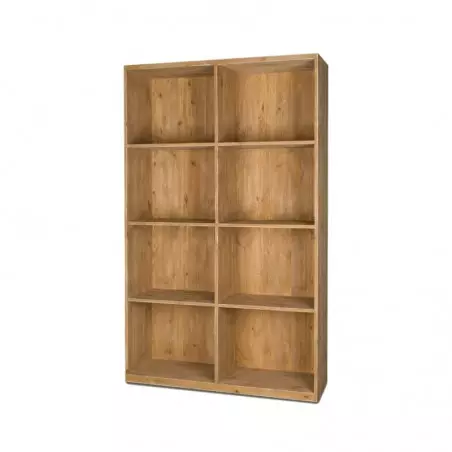
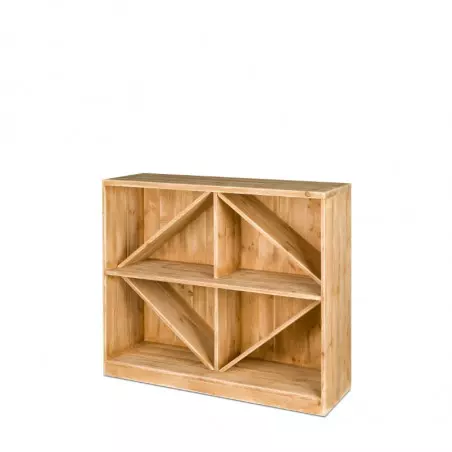
Solid wood is the reference material for wine shelving in retail: it creates a warm atmosphere, enhances the perceived quality of your products, and fits both traditional wine cellars and more contemporary concepts. Choose wine displays, tasting tables which allow you to adapt your presentation according to seasons and new arrivals. Also plan for a well-positioned wine merchant counter: this is the heart of the customer experience, where you advise, introduce products, and build loyalty.
Circulation in your shop should be smooth: leave sufficiently wide aisles, create thematic areas (regional wines, new arrivals, staff picks), and use vertical space to optimise every square meter. Delivered-assembled, sturdy and aesthetic furniture is an investment that sustainably enhances your retail space.
Step
What to do
Key considerations
Training
WSET, oenology, retail management
No mandatory diploma required, but expertise is essential
Budget
€40,000 to €150,000 depending on store size
Initial stock is the largest expense
Business plan
Market research, 3-year financial forecasts
Essential to secure funding
Regulations
Takeaway licence + 20-hour operating licence training
Town hall declaration 15 days before opening + customs registration
 Shelves
.webp)
_11zon.webp)
.webp)
.webp)