In-Store Customer Journey Example: Steps, Map and Key Advice

Every customer who walks through your door follows an invisible but decisive path: the customer journey. From discovering your shop online to recommending it to friends, each stage is an opportunity to sell, to build loyalty or, conversely, to lose a customer. Understanding and mapping your customer journey is one of the most powerful levers available to increase sales without increasing footfall.

This complete guide presents the key stages of the in-store customer journey, concrete examples by type of retail business, and practical advice for optimising every touchpoint.

Summarize this article with: ChatGPT ChatGPT Perplexity Perplexity Claude Claude
agencement 3d realisation

💡 Need help arranging your business?

Discover how our team can support you in your project.

🕐 6 min read | Published: 08/06/2026

What Is the In-Store Customer Journey?

The customer journey refers to all the steps and interactions a customer has with your business, from first contact (often digital) through to the post-purchase phase. In a physical shop, it covers everything outside the point of sale (online research, a friend's recommendation, walking past the shopfront) as well as every interaction inside (welcome, browsing, advice, payment).

Customer journey mapping is the visual and structured representation of this path. It identifies each touchpoint, the emotions associated with it, potential friction points and opportunities for improvement. It is an essential management tool for any independent retailer looking to optimise their customer experience.

💡 Key takeaways

  • The customer journey begins well before entering the shop and continues long after the purchase.
  • Customer journey mapping reveals invisible friction points that cost sales without the retailer ever being aware of them.
  • An optimised customer journey increases average basket value, conversion rate and loyalty without requiring additional advertising spend.

The Key Stages of the In-Store Customer Journey

The Key Stages of the In-Store Customer Journey

The majority of physical retail visits are now preceded by a digital step. Your customer journey therefore begins online, long before your customer crosses your threshold:

  • Discovery: the customer hears about you via social media, Google, word of mouth or by walking past your shopfront. This is the first touchpoint in your customer journey map.
  • Information gathering: they check your Google Business Profile (opening hours, reviews, photos), your website or your social media to validate their interest before making the trip.
  • Decision to visit: convinced by what they have seen online, they decide to come in. At this stage, the quality of your digital presence is decisive.

Web-to-store touchpoints to focus on: a complete and up-to-date Google Business Profile, quality photos of the shop, positive customer reviews, regular social media posts.

The Key Stages of the In-Store Customer Journey

This is the heart of the in-store customer journey. Several micro-stages can be identified, each with its own challenges:

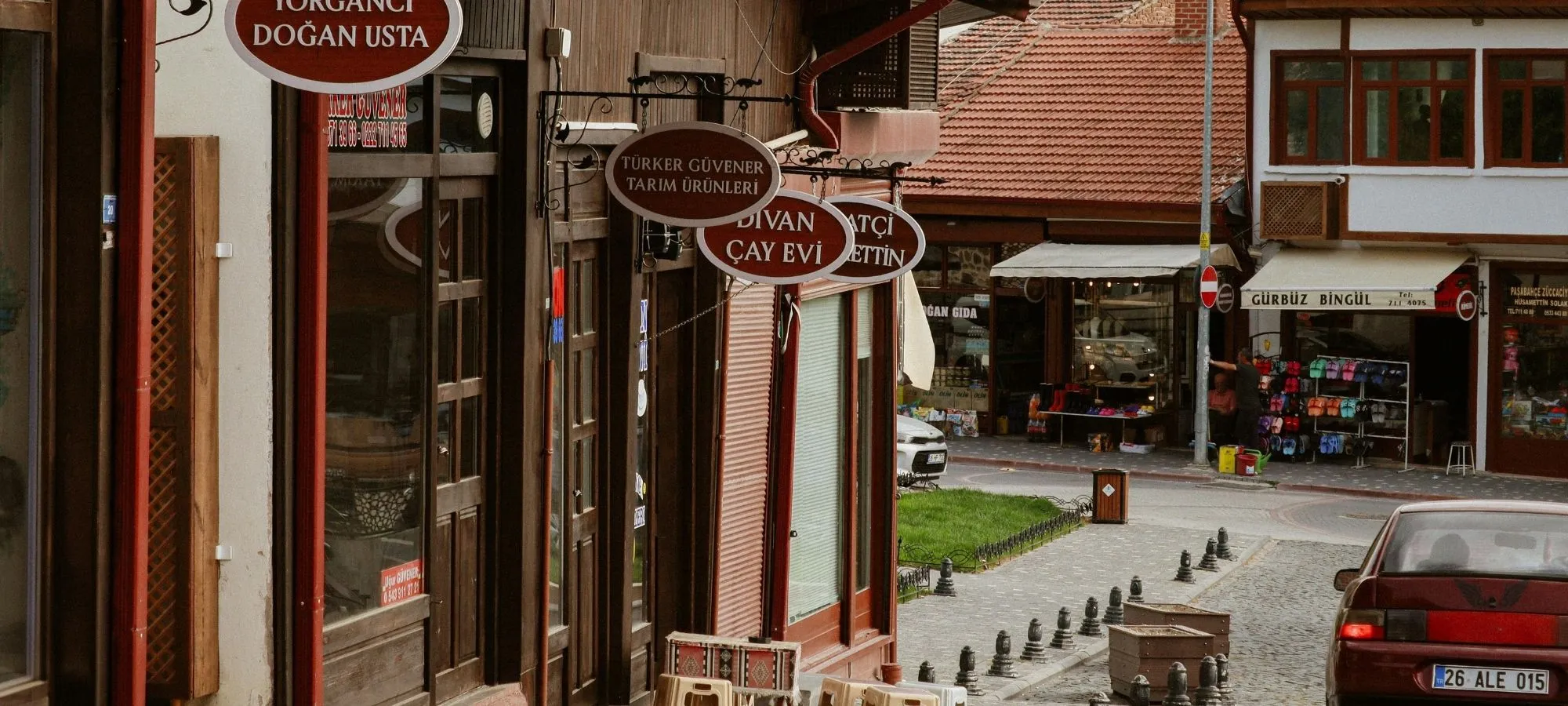
  1. Approach and window display: before entering, the customer assesses your shop from the street. The window is the first physical sales argument. It must make people want to come in.
  2. Entry and welcome: the first few seconds are decisive. A warm welcome, an atmosphere consistent with your positioning and an intuitive layout immediately set the tone.
  3. Navigating the shop: the customer explores your space. Shelf layout, signage and product presentation naturally guide their journey towards high-sales-potential areas.
  4. Engaging with products: they touch, compare, try on. At this stage, how products are presented (display height, facing, appropriate furniture) directly influences the purchase decision.
  5. The sales interaction: a well-timed intervention from a member of staff can turn hesitation into a sale. Too early, and it feels intrusive; too late, and the customer has already moved on.
  6. Checkout: the quality of the checkout area, the speed of the transaction and upselling opportunities (complementary products, loyalty programme sign-up) are sales levers that are often underused.

After the Purchase: Loyalty and Recommendation

The customer journey does not end when the customer leaves. The post-purchase phase is the most important for building loyalty:

  • Post-purchase satisfaction: the customer uses their product and assesses whether the experience lived up to its promises.
  • Follow-up communication: thank you email, newsletter, invitation to an upcoming event. These touchpoints maintain the relationship between visits.
  • Recommendation: a satisfied customer tells people about you. A delighted customer leaves a Google review and actively recommends you. This is the most cost-effective acquisition lever available.
dynamiser-commerce

Concrete Customer Journey Examples

Example: Independent Clothing Boutique

Here is a customer journey example for an independent clothing boutique:

Stage

Touchpoint

Customer emotion

Opportunity

Discovery

Instagram post of new collection

Curiosity

Link to shop in bio

Research

Google Business Profile

Reassurance

Positive reviews, accurate hours

Arrival

Window display with new pieces

Desire to enter

Seasonal visual merchandising

Entry

Personalised welcome, music

Comfort

Remembering the customer's name

Browsing

Rails organised by style and colour

Exploration

"Staff picks" gondola end

Fitting room

Well-lit fitting room, flattering mirror

Pleasure

Suggesting complementary pieces

Checkout

Till point with accessories

Satisfaction

Loyalty programme offered

Post-purchase

Thank you email with discount code

Loyalty

Invitation to next private sale

Example: Fine Food or Wine Shop

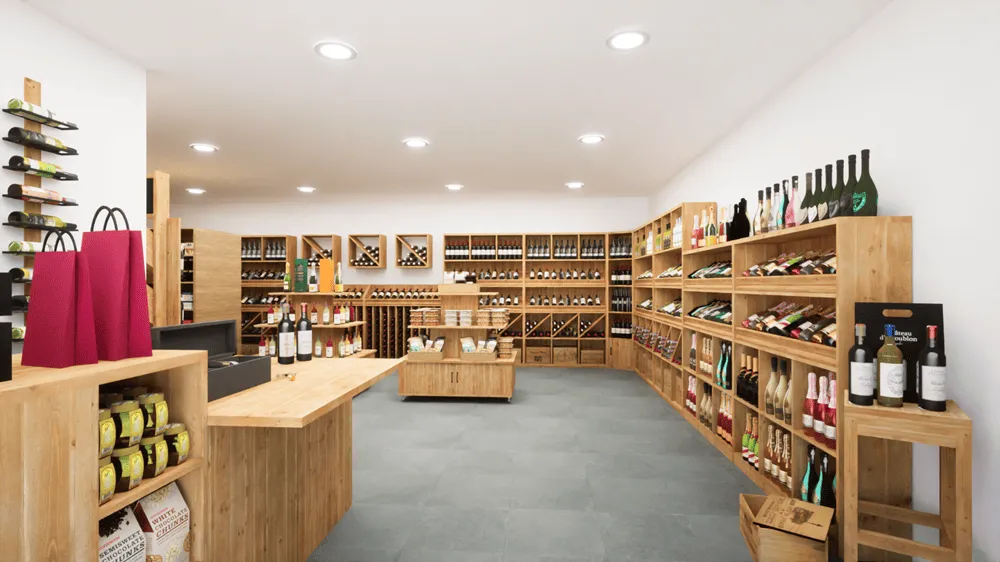
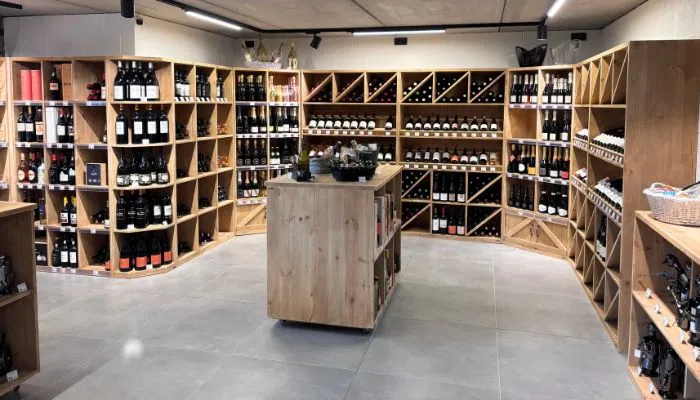
Here is a retail customer journey example for a deli or independent wine merchant:

Stage

Touchpoint

Customer emotion

Opportunity

Discovery

Friend's recommendation or Google Maps

Trust

Rich Google profile with photos

Research

Website or social media

Validation

Highlighting local producers

Arrival

Outdoor display, chalkboard specials

Appetite

Seasonal products front of store

Entry

Aromas, atmosphere, welcome

Warmth

Welcome tasting

Browsing

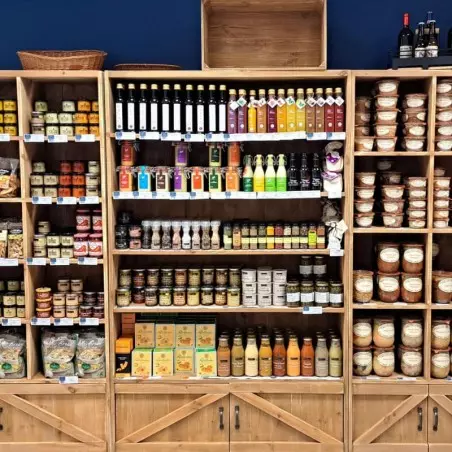
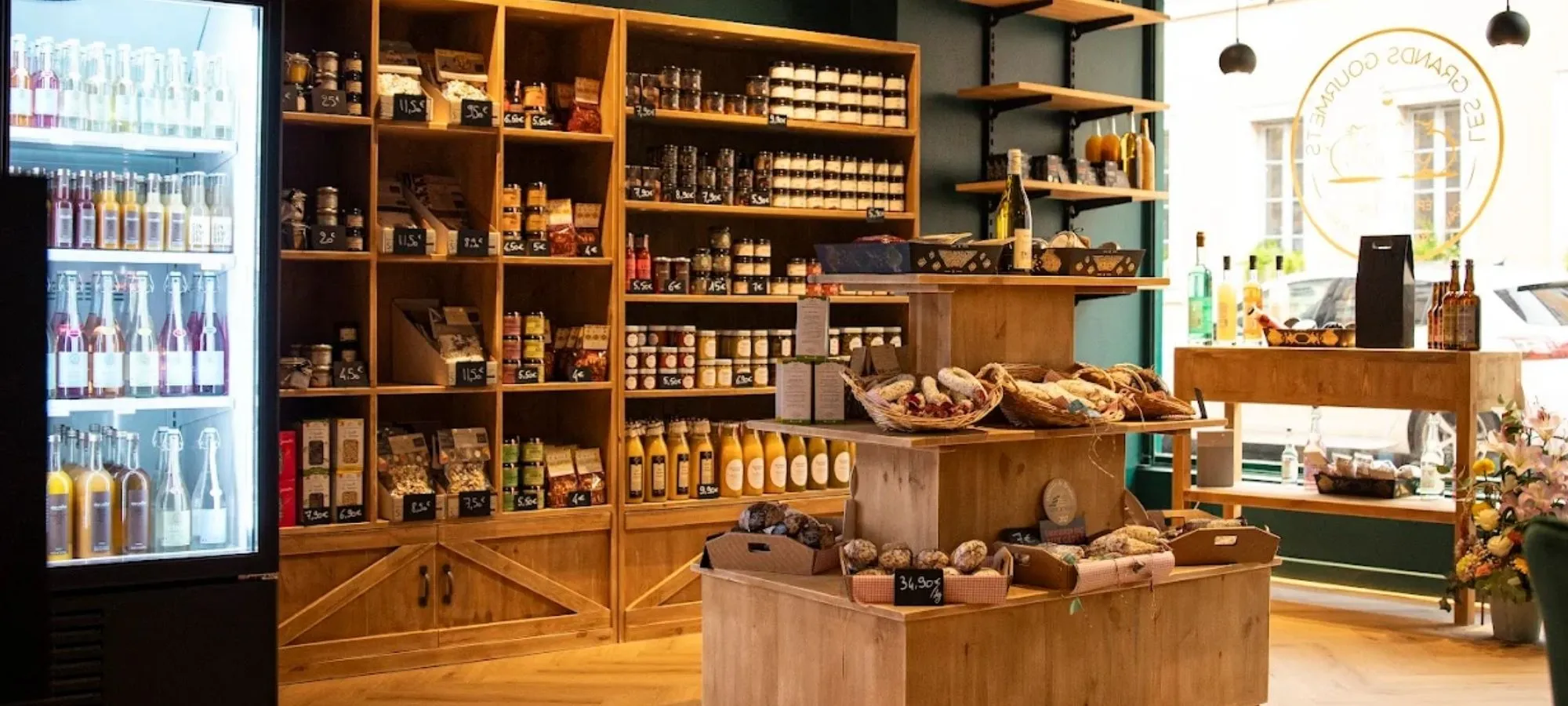
Shelves organised by product universe

Discovery

"Our selection" section clearly signed

Advice

Personalised recommendation

Trust

Complementary sale (food and wine pairing)

Checkout

Raised by impulse purchases

Satisfaction

Checkout area products highlighted

Post-purchase

Invitation to a tasting event

Belonging

Regular customer loyalty programme

layout service

Do you have a layout project?

If you wish to furnish your commercial space, our team will provide you with personalized support throughout your project.

How to Map Your Shop's Customer Journey

Identifying Physical and Digital Touchpoints

Customer journey mapping begins with an exhaustive inventory of every moment your customer interacts with your business. To build your own customer journey map, list:

  • Digital touchpoints: Google Business Profile, website, social media, newsletter, SMS, online reviews.
  • Physical touchpoints: window display, entrance, signage, shelving, display furniture, advice area, checkout, packaging, carrier bags.
  • Human touchpoints: welcome, sales advice, checkout interaction, after-sales service.

For each touchpoint, rate the current experience on a simple scale (positive, neutral, negative) and identify priority improvement actions.

Defining Your Customer Personas

An effective customer journey map is always built around real customer profiles, known as personas. For an independent retailer, two or three personas are generally sufficient:

  • The regular customer: visits frequently, knows the range, is particularly responsive to new arrivals and loyalty benefits.
  • The passing customer: discovering your shop for the first time, needs to be reassured quickly and guided through the space.
  • The advice-seeking customer: comes with a specific purchase intention but needs expertise to make their final choice.

Each of these profiles follows a different customer journey example and requires a tailored response at each stage.

dynamiser-commerce

Tips for Improving the In-Store Customer Journey

Optimising the customer journey involves concrete actions at every stage:

  • Perfect your entrance and window display: this is your first impression. A regularly refreshed window display and a clear, welcoming entrance make a significant difference to your conversion rate from street to shop.
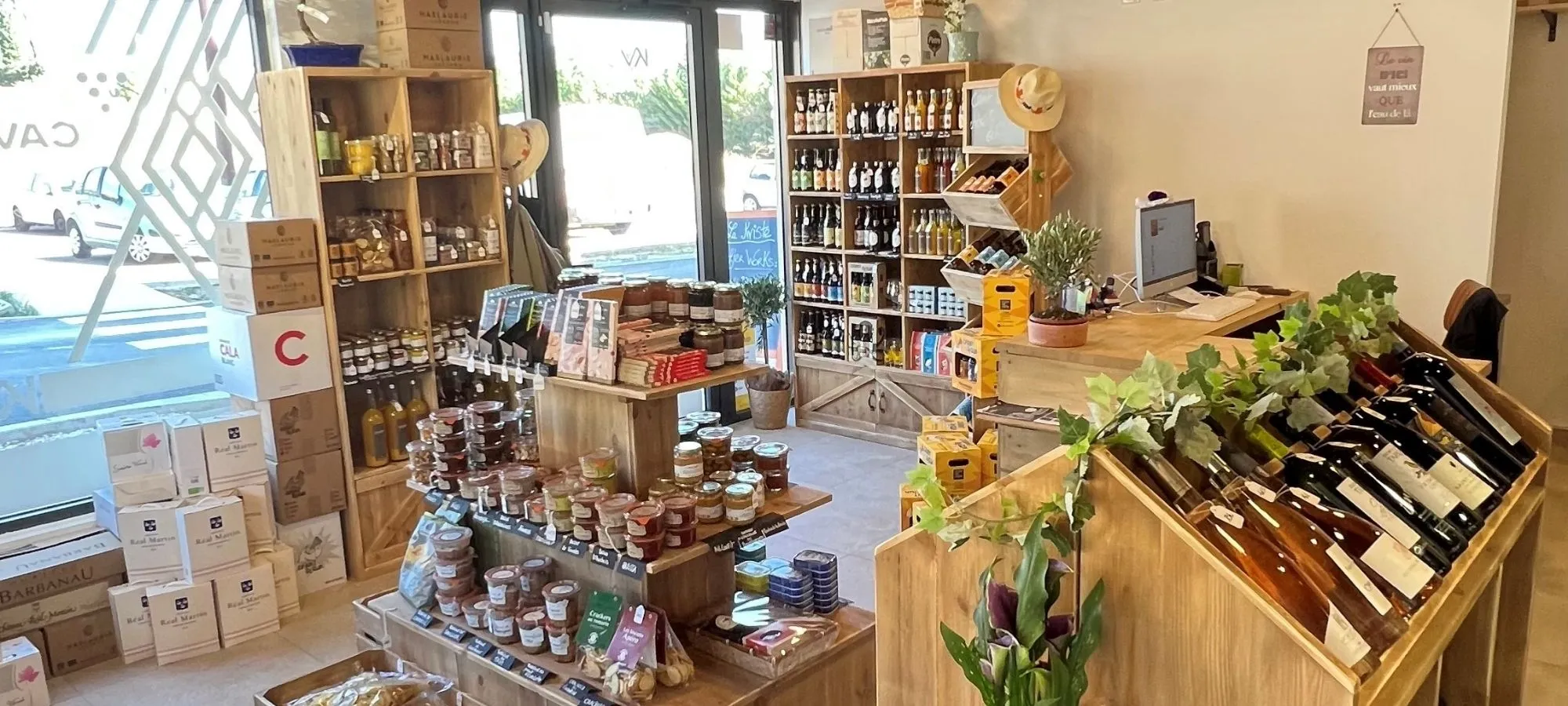
  • Work on your store layout: place high-impulse products in hot zones (entrance, checkout, natural traffic flow) and destination products in cold zones. Professional display furniture helps customers read your offer and guides them naturally through the space.
  • Train your team in consultative selling: a member of staff who knows when to intervene, how to identify a customer's need and how to suggest a complementary solution can double the average basket without any aggressive sales behaviour.
  • Streamline the checkout experience: a cluttered till area, long queues or a complicated payment process are major irritants at the end of the journey that undermine an otherwise positive experience.
  • Actively drive recommendations: ask satisfied customers to leave a Google review. It is the most cost-effective and most neglected action in the independent retail customer journey.

How to Measure and Optimise the In-Store Customer Journey

Customer journey modelling only creates value if it is supported by concrete performance indicators. The main ones to track are:

  • Conversion rate from street to door: how many people walking past actually come in? A manual count or door counter measures the effectiveness of your window display.
  • In-store conversion rate: of those who enter, how many buy? A low rate signals a problem with layout, advice or offer relevance.
  • Average basket value: how much does a customer spend per visit on average? This is the indicator most directly linked to the quality of your product presentation and sales advice.
  • Return rate: what proportion of customers come back within 30, 60 or 90 days? This is the key loyalty indicator.
  • Net Promoter Score (NPS): simply ask your customers: "On a scale of 0 to 10, how likely are you to recommend our shop to a friend or colleague?" The answers reveal the strengths and improvement areas of your customer journey map.

Measure these indicators regularly, track them over time and evolve your customer journey accordingly. A static customer journey map quickly loses relevance as customer behaviours and your offer evolve.

tiffany sarrazin directrice générale

Tiffany Sarrazin

As Managing Director of Tradis, she leads the company's development and shares her expertise in solid wood furniture through advice and content for professionals.

Our articles to explore the topic further

Join over 2500 merchants who trust Tradis

Stay informed about our offers and professional advice