In stock
Contact us on 05 46 94 15 94 Deliveries are available in France, Belgium and Luxembourg | Minimum purchase amount 500€ exc VAT
Menu
- MenuBack
- Products
- By profession
- By profession
- By product category
- By profession
- By product category
- By profession
- Business
- Destocking
- Second-hand
- Customer projects
- My layout project
Opening a grocery store in 2026: how to design a useful and attractive business
In recent years, neighbourhood grocery stores have experienced a real revival. Faced with the decline of retail activity in town centres and the growing demand for short supply chains, opening a grocery store in 2026 meets a genuine and sustainable local need.
Whether you want to open a fine grocery store, a night shop, or an organic grocery store, this guide will support you step by step in building a viable and attractive business project.

💡 Need help arranging your business?
Discover how our team can support you in your project.
🕐 6 min of reading | Published on: 04/24/2026
Meeting everyday needs in a local market
Neighbourhood grocery stores occupy a unique place in the local retail landscape: they provide essential services, create social connection, and build a loyal daily customer base. So, is opening a grocery store profitable? The answer is yes—provided you fill a gap left by large supermarkets, offer consistent opening hours, and build a relationship of trust with your local customers. Above all, you must respond to a clearly identified demand.
The high purchase frequency and stable average basket make grocery stores a solid long-term business model. Today’s most successful formats focus on differentiation: local products, organic selections, fine foods, or extended opening hours for night grocery stores. These differentiating factors are what build customer loyalty and secure profitability over the medium term.
Define a clear grocery store concept before starting
Before looking for a location or calculating a budget, you must clearly define your concept. A neighbourhood general grocery store, a fine grocery store, an organic grocery store, an ethnic grocery store, or a night grocery store with extended opening hours—each format responds to different expectations and constraints. A vague concept is one of the main causes of failure in retail: you therefore need to think through your offer carefully before getting started.
Depending on the type of grocery store you want to open, the requirements vary significantly. Opening a traditional neighbourhood grocery store requires a high-traffic location and a broad convenience offer, while a fine grocery store demands a carefully curated product selection, a well-designed layout with professional fine grocery store furniture, and customers willing to spend more for quality.
Opening a grocery store from home is possible in some cases, but involves specific regulatory constraints: ERP standards, accessibility requirements, and separation of spaces. Opening a grocery store as a self-employed entrepreneur is possible for limited sales activities, but this legal status is generally not suitable for a physical shop with stock and employees. SARL or SAS structures offer better protection and a more suitable framework for growth. To choose the right legal structure, it is recommended to consult an accountant or a tax lawyer.
💡To remember:
- Defining your concept beforehand is essential: general grocery store, fine grocery store, organic store, or night grocery store—each format has its own requirements.
- The legal structure must be chosen carefully: SARL or SAS are generally more suitable than a sole proprietorship for a physical grocery store.
- A layout that is consistent with your positioning strengthens the clarity of your offer as soon as customers enter the shop.
.webp)
Study the market before opening a grocery store
Market research is an essential step before opening a grocery store. It helps validate local demand, analyse competition (supermarkets, other grocery stores, convenience shops), and estimate potential revenue. You should assess population density in your area, the consumption habits of the neighbourhood, and time slots that are not covered by competitors.
A residential area with few local shops, a student district, or a developing commercial zone are favourable environments. Conversely, an already saturated area or one too close to a large supermarket will require a highly differentiated positioning to stand out. Take the time to observe the location carefully before signing a lease.
What budget should be allocated to open a grocery store in 2026?
The budget required to open a grocery store varies depending on the size, concept, and location. For a traditional neighbourhood grocery store, expect between €20,000 and €60,000. For a fine or organic grocery store with a more refined layout, the budget can reach €80,000 to €120,000. The main expenses include the premises (security deposit and fit-out), retail furniture, initial stock, equipment (cash register, refrigeration units), and starting cash flow.
It is possible to open a grocery store without initial capital thanks to schemes such as honour loans, NACRE support, or professional microcredit. These solutions can complement bank financing, but they require a solid application and a convincing business plan. You should plan for at least 3 to 4 months of fixed expenses in cash flow from the outset.
The business plan: a key step in structuring the project
The business plan is essential to secure financing and manage your grocery store with rigour: it acts as your roadmap. It formalises your concept, target customer base, pricing strategy, revenue forecasts, financing plan, and break-even point. For a grocery store, you should also include potential seasonality, shrinkage rate (theft, losses), and stock turnover, all of which directly impact cash flow.
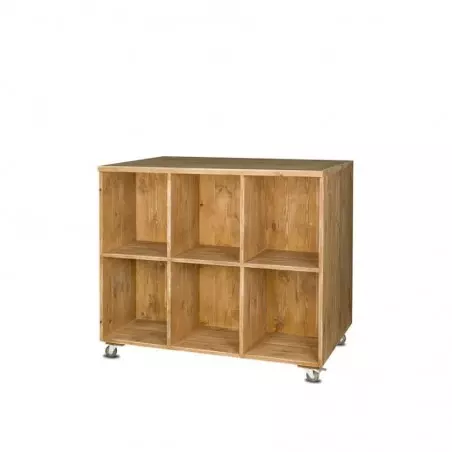
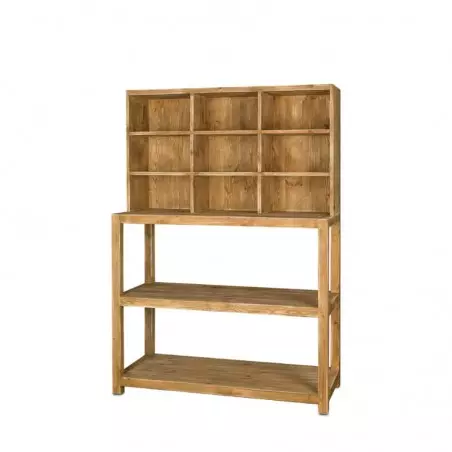
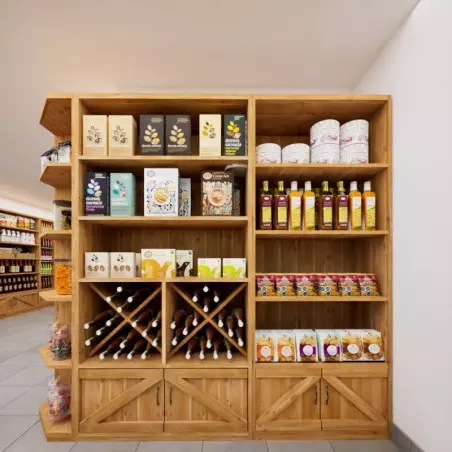
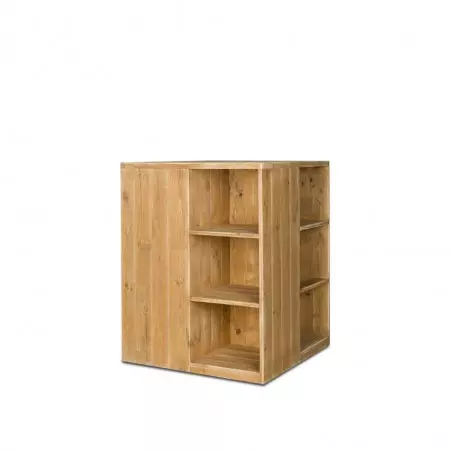
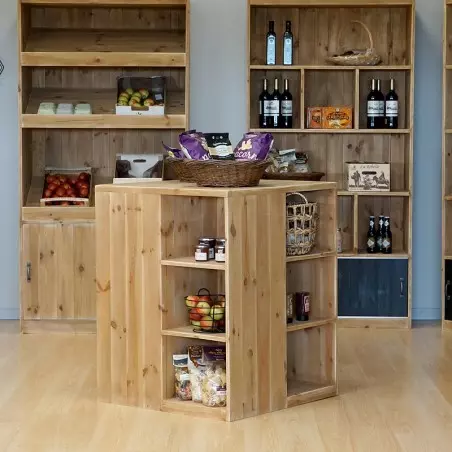
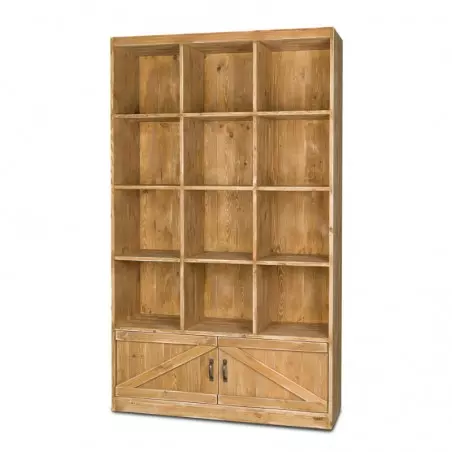
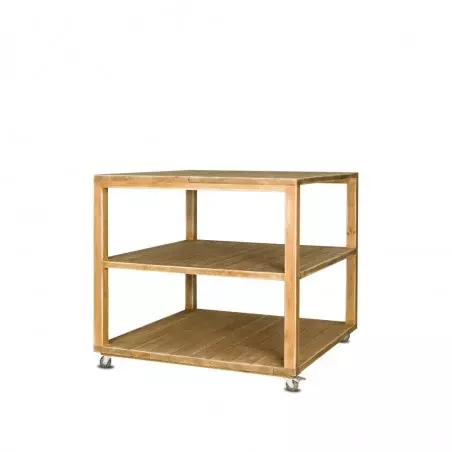
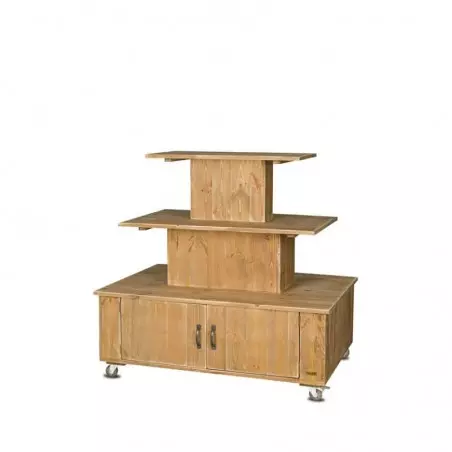
The business plan is also an opportunity to accurately budget your professional grocery store furniture: central display unit for food retail, wall shelves for neighbourhood grocery stores, and reception counters for independent shops. Well-designed furniture from the start helps avoid premature replacement costs and structures your sales space in a coherent and long-lasting way.
.webp)
Create a grocery store that makes you want to come and go
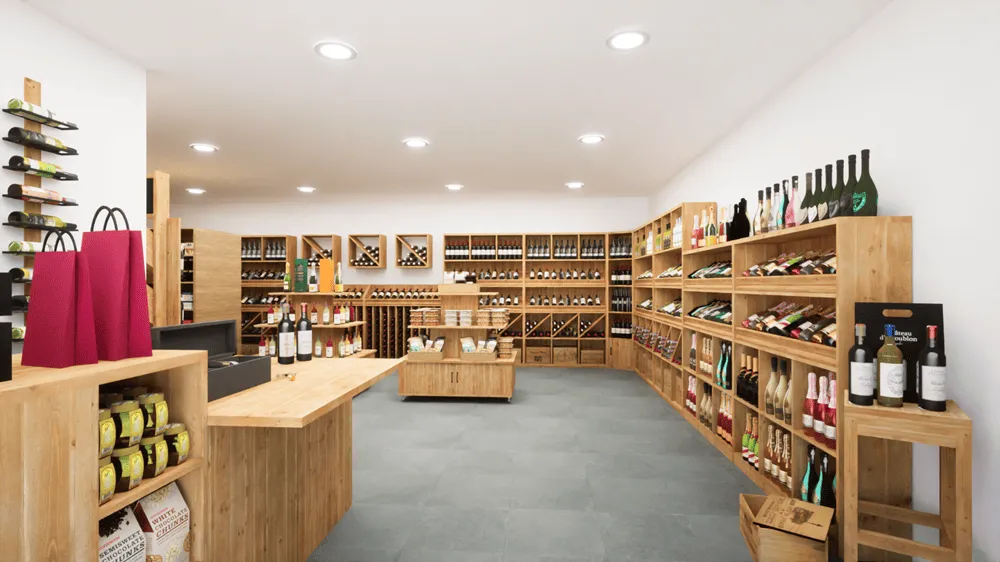
The layout of your grocery store is a direct commercial lever. A well-organised space improves customer flow, highlights high-margin products, and encourages impulse purchases. For example, place everyday essentials (bread, milk, eggs) at the back of the store to guide customers through the entire space, and use the entrance area as well as the checkout surroundings for fast-moving products and new arrivals.
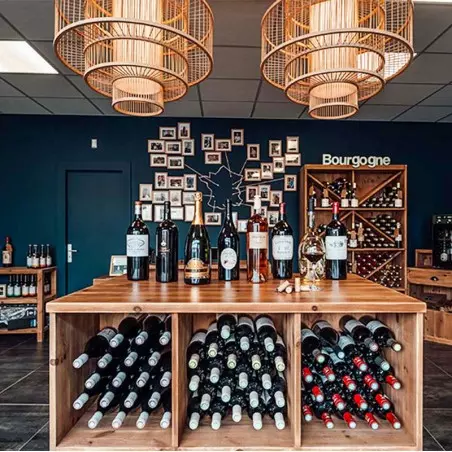
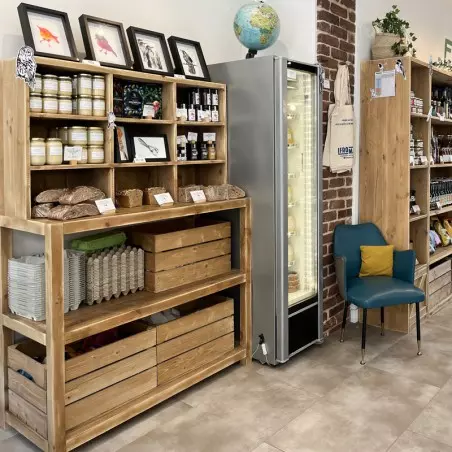
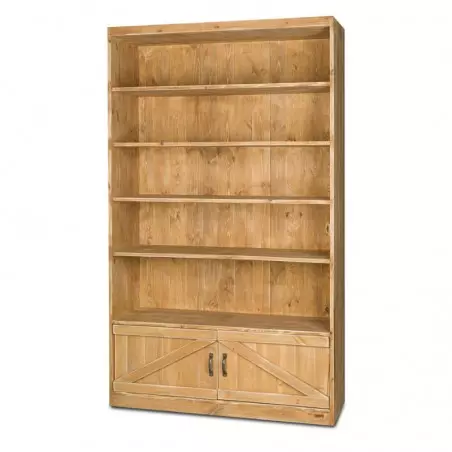
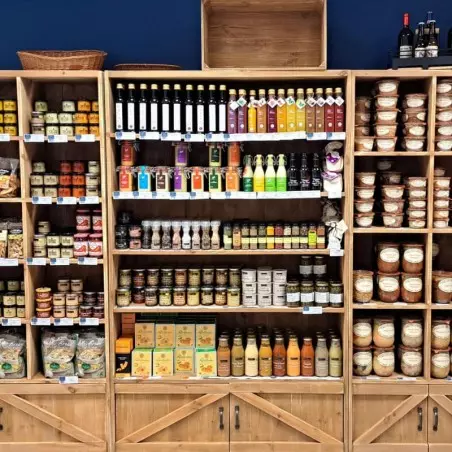
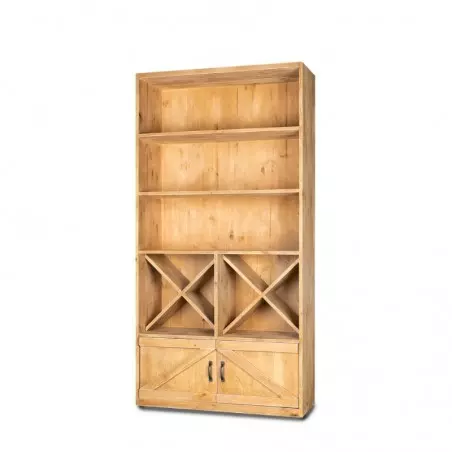
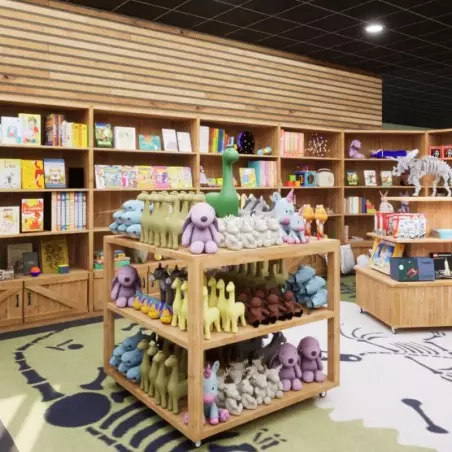
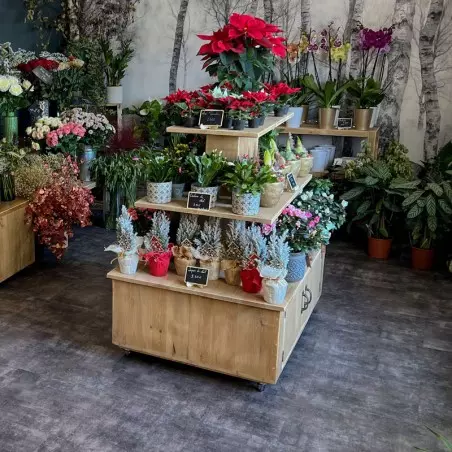
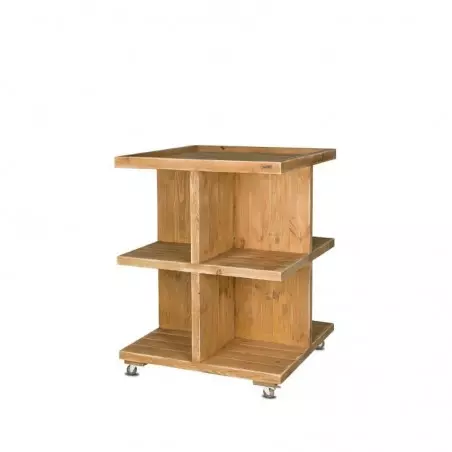
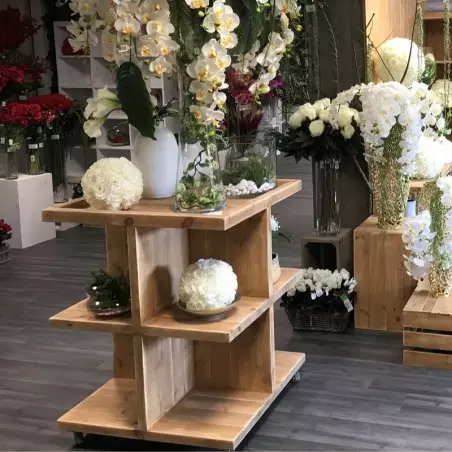
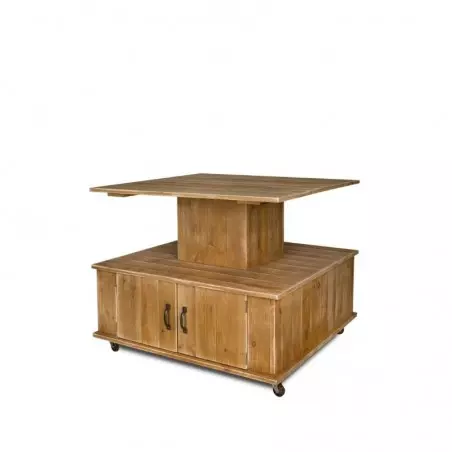
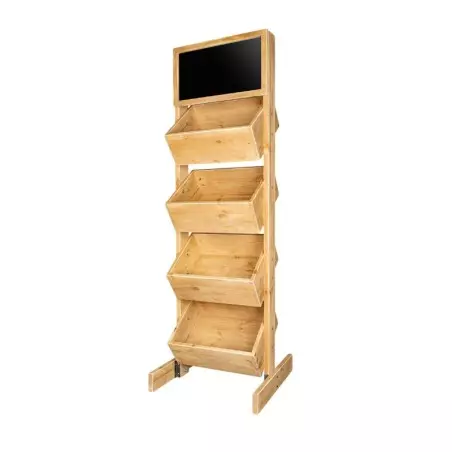
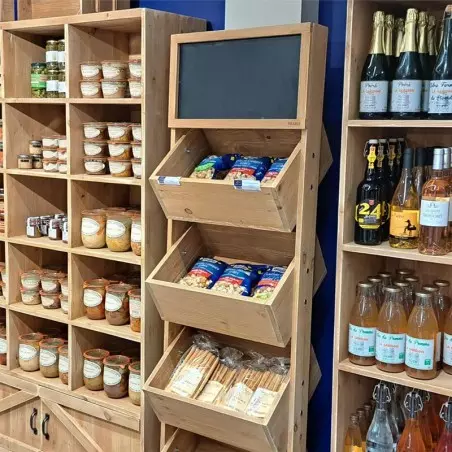
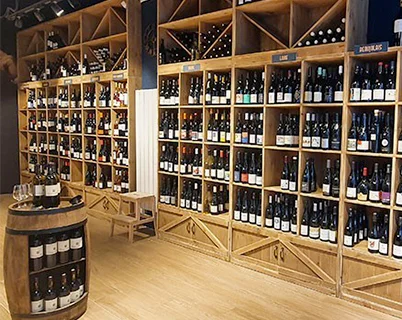
Furniture selection is essential. Well-positioned wall shelves for neighbourhood grocery stores help structure the product offering and make shelves easier to read. A central display creates a discovery zone in the middle of the shop and naturally draws attention. Solid wood brings warmth and authenticity, particularly appreciated in fine grocery stores and local shops with a premium positioning. If you would like support in this process, our retail shop layout service can help you design a coherent and high-performing space.
💡To remember:
- A well-thought-out layout increases the average basket size by naturally guiding customers toward key strategic areas.
- Solid wood furniture enhances your grocery store’s image and strengthens the perceived quality of your offer.
- Planning your furniture from the business plan stage helps avoid budget surprises and ensures a smooth and stress-free launch.
Administrative procedures and obligations to anticipate
Opening a grocery store involves several mandatory administrative steps: registration with the trade and companies register, business declaration, compliance with ERP standards if your premises receive the public, and ensuring refrigeration systems meet regulatory requirements. If you plan to open a night grocery store, you must check local regulations regarding permitted opening hours, which vary from one municipality to another.
If you wish to sell alcohol, you must obtain a liquor licence: licence I for fermented beverages (beer, wine, cider) or licence II for spirits. These procedures should be anticipated at least 2 to 3 months before opening to avoid delaying your launch.
What skills and training do you need to open a grocery store?
No specific diploma is required. However, several training courses are strongly recommended, and some are mandatory depending on your activity. The training to open a grocery store in food hygiene (HACCP) is essential if you sell fresh products or deli items. A licence to operate (permis d’exploitation) is mandatory if you plan to sell alcohol. Training in retail management and merchandising will help you optimise your layout and margins from day one.
These training courses are accessible within a few days and can be funded through the CPF or business creation support schemes. Contact your local Chamber of Commerce (CCI) to learn about the support available in your area.
| Step | Key points | To anticipate |
|---|---|---|
| Concept | General, fine food, organic, night store | Clear positioning before any steps |
| Market research | Area, competition, local demand | Study the location before signing a lease |
| Budget | €20,000 to €120,000 depending on format | Plan for 3 to 4 months of cash flow |
| Business plan | Forecasts, furniture, break-even point | Include furniture costs from the start |
| Layout | Solid wood furniture, customer flow, strategic areas | Hire an expert if needed |
| Administrative procedures | Registration, ERP standards, alcohol licences | Start 2 to 3 months before opening |
| Training | HACCP (mandatory for fresh products), operating licence (alcohol) | Funding available via CPF |
In stock
Make-to-order
Our articles to explore the topic further
Join over 2500 merchants who trust Tradis
Stay informed about our offers and professional advice


.webp)
_11zon.webp)