Opening a Pop-Up Shop at Home: Guide and Regulations
Selling from home over a weekend, hosting a private sale in your living room or transforming your garage into a temporary retail space: opening a pop-up shop at home is attracting a growing number of makers, artisans and independent traders. The concept is accessible, low-cost and allows you to test an offer without committing to a commercial lease.
But opening a pop-up shop at home requires some preparation. Regulations, legal structure, safety requirements and tenancy constraints: this complete guide covers everything you need to know before welcoming your first customers through your door.
A pop-up shop is a temporary point of sale, open for a limited period, typically ranging from a few hours to a few weeks. At home, it takes the form of a sale organised in a room of the house, a garage, a garden or any private space temporarily transformed into a retail environment.
Several formats exist:
Private home sale: invitations sent to a circle of contacts, showcasing handmade goods, personal creations or seasonal collections.
Home pop-up store: a more formal opening, potentially announced publicly, with considered signage and layout.
Private market or car boot sale: sale of second-hand items or handmade goods, often organised outdoors over a weekend.
End-of-collection sale: seasonal clearance organised from home, common among fashion designers and craftspeople.
A home pop-up shop differs from a standard pop-up store in that no commercial premises are rented: the primary or secondary residence serves as the selling space.
Why Open a Pop-Up Shop at Home?
Opening a pop-up shop at home offers several practical advantages for independent makers and traders:
Low costs: no commercial rent, no premises overheads, no permanent fit-out. Expenses are limited to dressing the space and communicating around the event.
A real-world test: it is an ideal way to validate a concept, a product range or a price point before committing to opening a permanent shop.
Direct and warm customer relationships: welcoming customers into a domestic setting creates a unique atmosphere conducive to trust and impulse purchases.
Total flexibility: you choose your dates, hours, products and format. The ephemeral boutique adapts to your pace and personal constraints.
A visibility driver: well communicated, a home sales event generates word-of-mouth and can attract new customers towards a future permanent activity.
Is It Legal to Open a Pop-Up Shop at Home?
Yes, in most cases. But opening a pop-up shop at home requires compliance with a regulatory framework that varies according to your personal situation and location.
The Rules According to Your Home and Location
In the UK, running a business from home is generally permitted, but there are several factors to consider:
Permitted development and planning: most home-based businesses do not require planning permission, provided they do not cause a material change in the use of the property, generate significant traffic or noise, or involve customers visiting regularly in large numbers. A single weekend sale event is unlikely to trigger planning issues, but regular trading from home may require a change of use application to your local council.
Council tax and business rates: if part of your home is used exclusively for business purposes, that part may become liable for business rates rather than council tax. For occasional home sales, this is rarely an issue, but it is worth checking with your local authority if the activity becomes regular.
Neighbours and nuisance: even where legally permitted, you have a responsibility not to cause nuisance to neighbours through excessive noise, traffic or waste. This is both a legal obligation and a neighbourly courtesy.
Tenant or Leasehold: What to Check
Before opening a pop-up shop at home, check two key documents:
Your tenancy agreement: most residential tenancy agreements contain a clause prohibiting the use of the property for business purposes. An occasional, discreet sale is often tolerated in practice, but a sale open to the public could constitute a breach of your tenancy agreement, potentially leading to eviction proceedings.
Your lease or service charge documents (leasehold flats): some leasehold agreements explicitly prohibit commercial activities in private spaces. Others only prohibit activities generating nuisance. Read the permitted use clause carefully before proceeding.
? Key takeaways
Check your tenancy agreement and lease documents before anything else.
Most home-based occasional sales do not require planning permission, provided they are genuinely temporary and do not cause nuisance.
Welcoming members of the public into your home engages your liability under public safety obligations, even for a one-day event.
Do you have a layout project?
If you wish to furnish your commercial space, our team will provide you with personalized support throughout your project.
How to open a pop-up shop at home compliantly? Here are the main obligations to respect:
Business registration: if you sell goods regularly, even occasionally, you should be registered as a business. Registering as a Sole Trader with HMRC is free, quick and the most appropriate structure for getting started.
Declaring income: all sales revenue must be declared to HMRC as part of your Self Assessment tax return. Selling handmade goods or products purchased for resale without declaring the income constitutes tax evasion.
Public liability insurance: essential to cover any accident occurring during your sales event. Standard home insurance policies do not cover commercial activities; a specific public liability policy is required.
Price marking: products displayed for sale must show their prices clearly, in compliance with the Price Marking Order 2004.
Food safety: if you are selling food or drink, you must register as a food business with your local council at least 28 days before trading, and comply with food hygiene regulations.
What Legal Structure to Choose?
For opening a pop-up shop at home legally, registering as a Sole Trader with HMRC is the most straightforward option for most people:
Free and quick to set up online via gov.uk.
Tax on profit only: you pay income tax and National Insurance on your net profit, not on turnover.
Simple record-keeping: basic records of income and expenses are sufficient for most small-scale home traders.
VAT registration threshold: you only need to register for VAT once your taxable turnover exceeds £90,000 in a 12-month period (2026 threshold), so most home pop-up sellers will not need to register.
If your home sales activity is truly one-off (selling personal belongings you no longer want), this may fall under HMRC's trading allowance (£1,000 per tax year), meaning no registration or declaration is required below this threshold. However, selling goods bought for resale or items you have made to sell goes beyond personal sales and requires registration.
How to Organise Your Home Pop-Up Shop, Step by Step
Define your concept and products: what to sell, to whom, at what price point? A clear positioning (handmade jewellery, clothing, artisan food, home décor) makes communication easier and attracts the right audience.
Choose your date and format: invitation-only or open to the public? A half-day or a full weekend? The duration and format determine the level of preparation required.
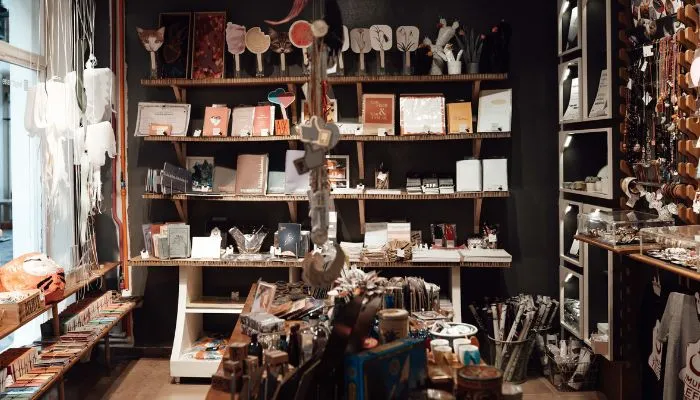
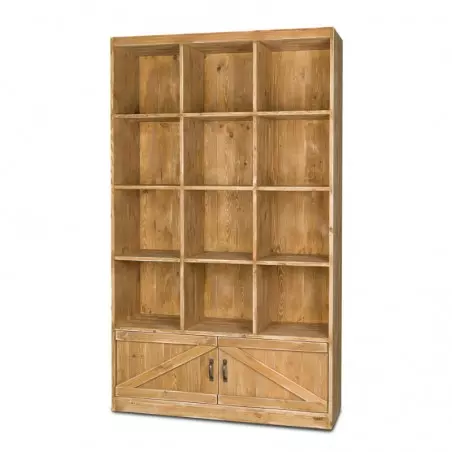
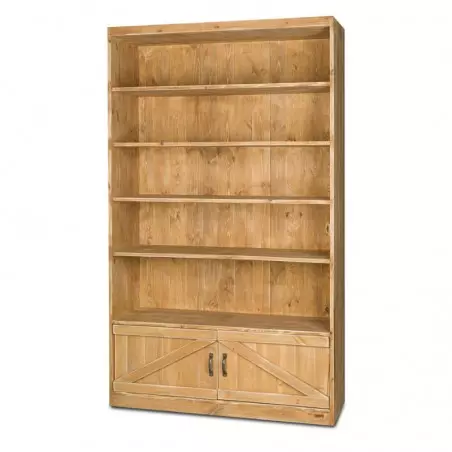
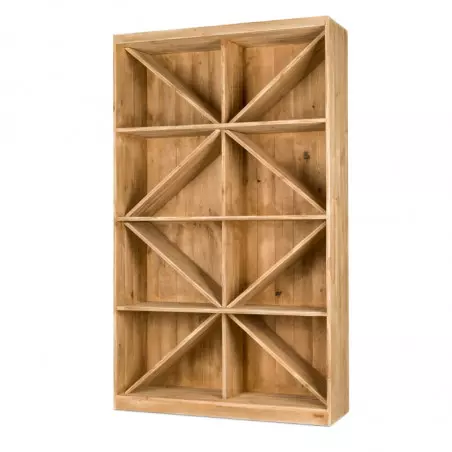
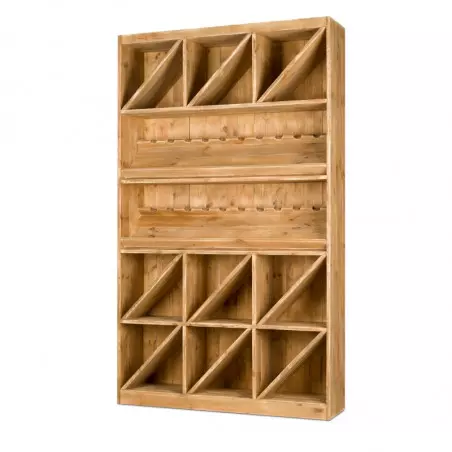
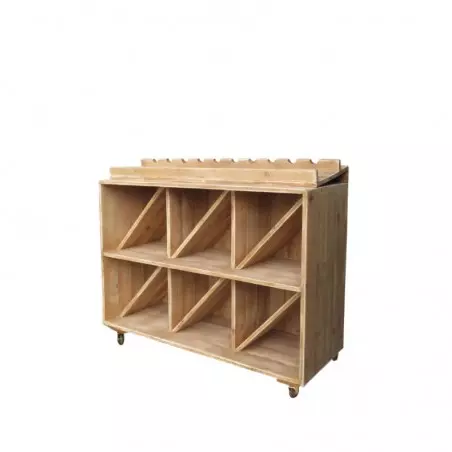
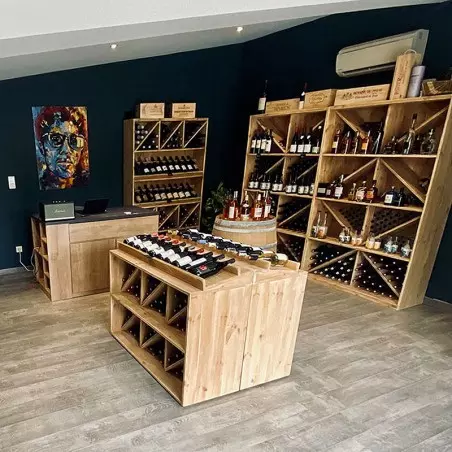
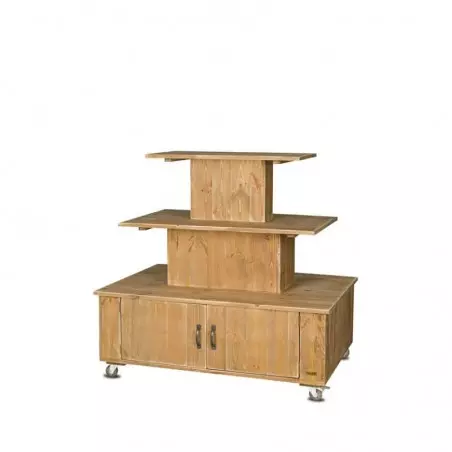
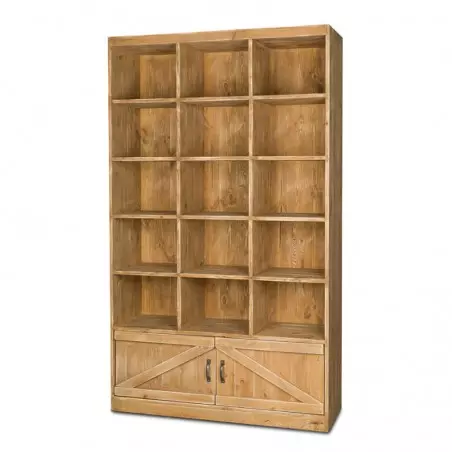
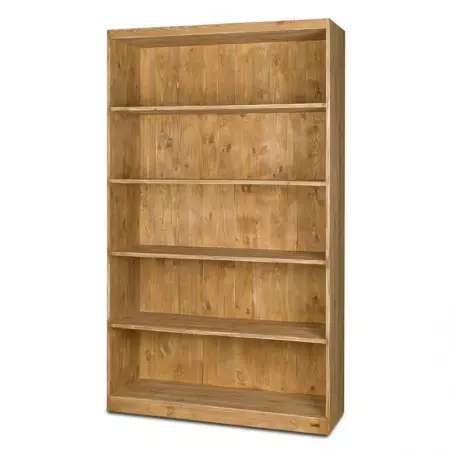
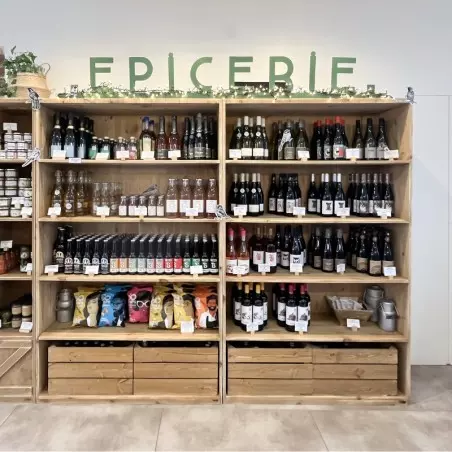
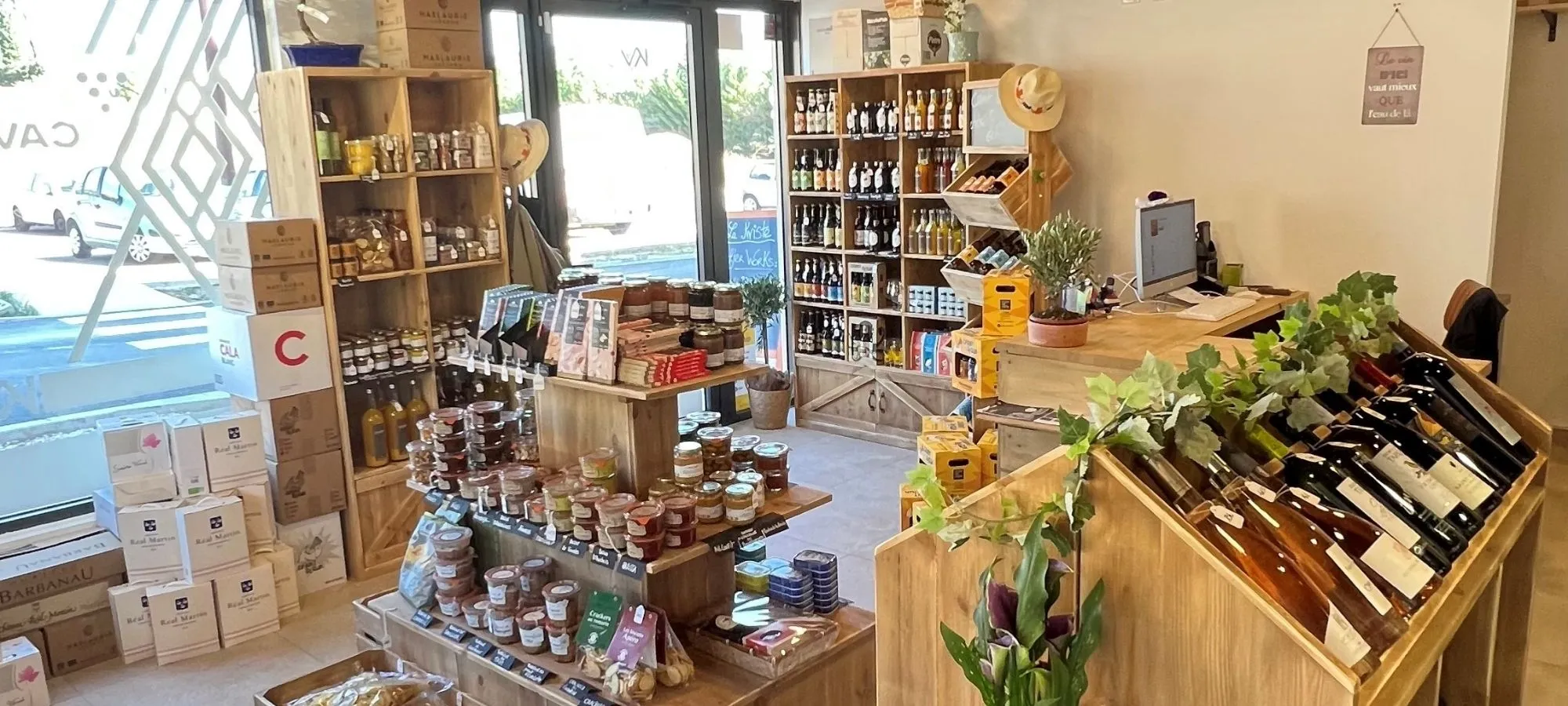
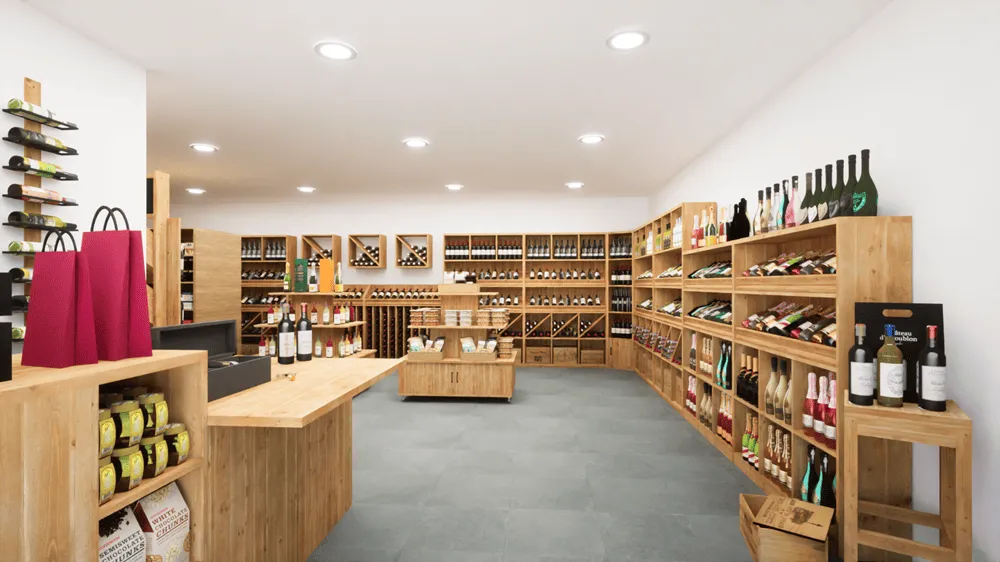
Prepare the selling space: arrange the dedicated room with the customer journey in mind. Display units, shelving and considered furniture showcase your products and give your pop-up shop a professional feel. Solid wood furniture brings warmth and authenticity, two qualities particularly appreciated in a home selling context.
Communicate around the event: social media, email newsletters, local flyers, word of mouth. Start communicating at least two weeks before the date.
Prepare the sales logistics: card payment solution (SumUp, Square), receipts, carrier bags, a sales log for tax purposes.
Welcome your customers: take time to welcome people, offer a drink, tell the story behind your products. This is what distinguishes a home sale from an ordinary shop visit.
What Budget to Plan For?
Opening a pop-up shop at home is one of the most affordable commercial formats available. The budget required is generally very modest:
Communication: £30 to £150 (flyer printing, social media advertising).
Display and presentation: £80 to £400 depending on the level of presentation desired (temporary shelving, garment rails, tablecloths, signage, additional lighting).
Card payment solution: £0 to £30 (most mobile card readers such as SumUp or Square cost very little or nothing to acquire).
Public liability insurance: £60 to £200 per year depending on cover chosen.
Sole Trader registration: free.
In total, it is entirely possible to open a pop-up shop at home for under £300 all in, making it one of the most financially accessible commercial projects available.
Alternatives If You Cannot Sell from Home
If your tenancy agreement, lease or personal situation does not allow you to open a pop-up shop at home, several alternatives exist:
Renting a temporary retail space: many towns and cities offer commercial spaces available to rent by the day or week, sometimes via specialist platforms such as Storefront or PopUp Britain.
Participating in a makers' market: craft markets, Christmas markets, farmers' markets. An excellent way to test your products without significant fixed costs.
Partnering with a complementary business: a wine merchant who hosts an artisan cheesemaker for a weekend, a bookshop that gives over space to a jewellery maker: cross-business partnerships are increasingly common and benefit both parties.
Opening a pop-up in a shared or gallery space: commercial co-working spaces, art galleries, community venues. These formats allow you to open a pop-up store in a more professional setting at low cost.
As Managing Director of Tradis, she leads the company's development and shares her expertise in solid wood furniture through advice and content for professionals.
 Shelves



.webp)